
Last updated November 22, 2026
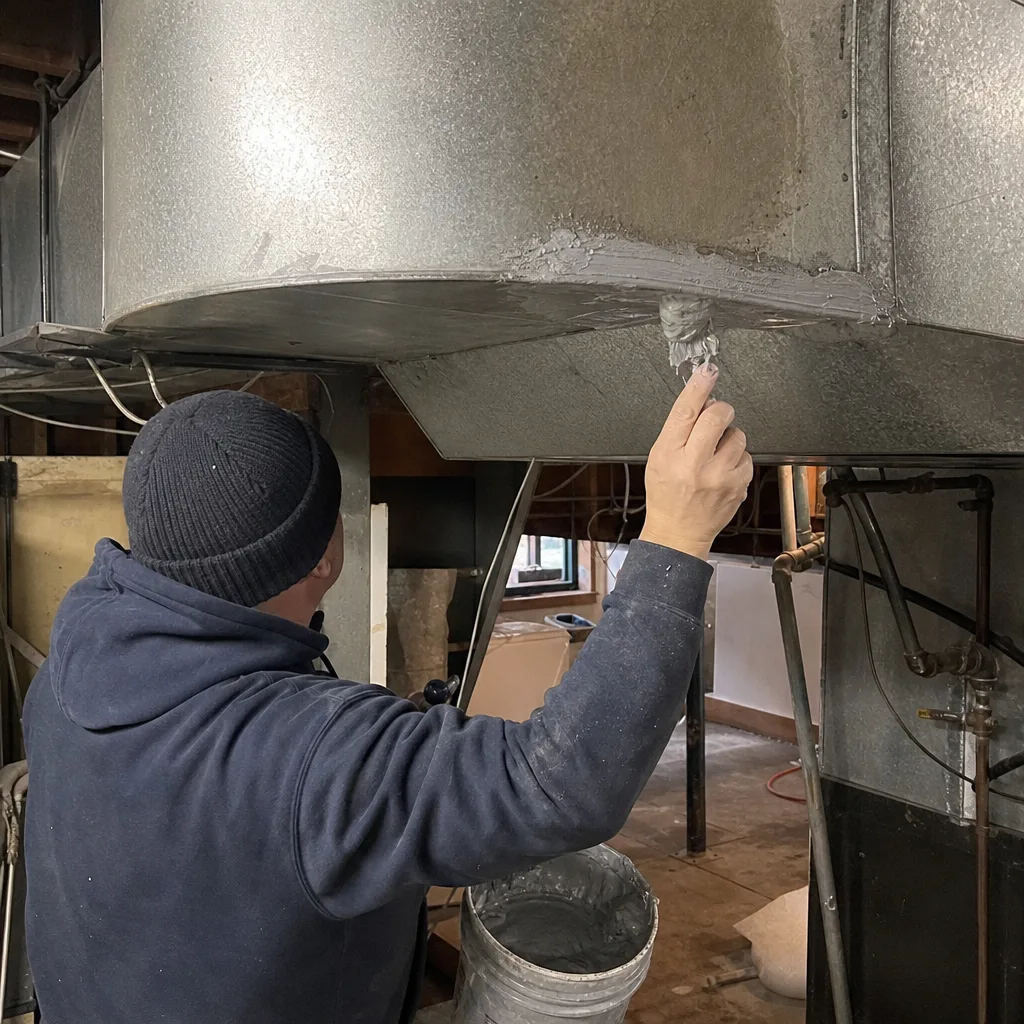
 Whole-home duct cleaning
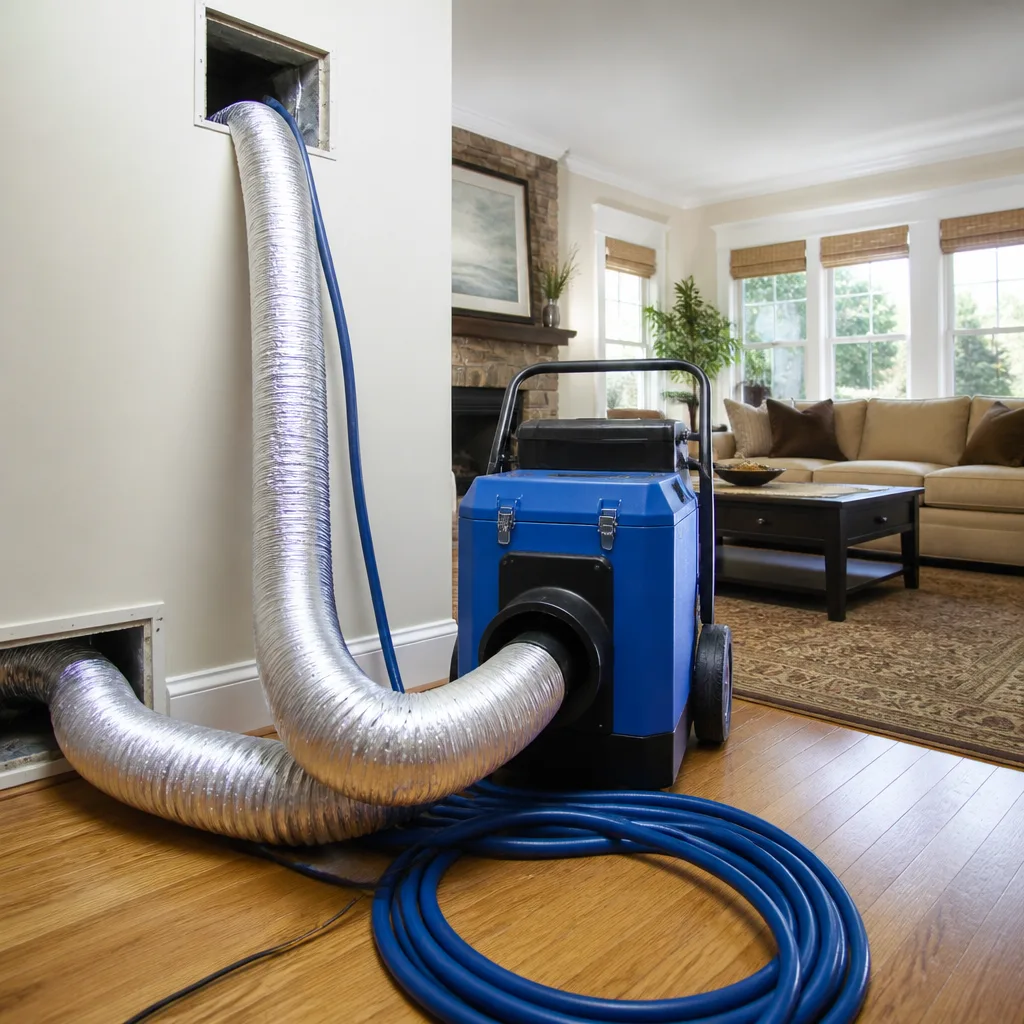
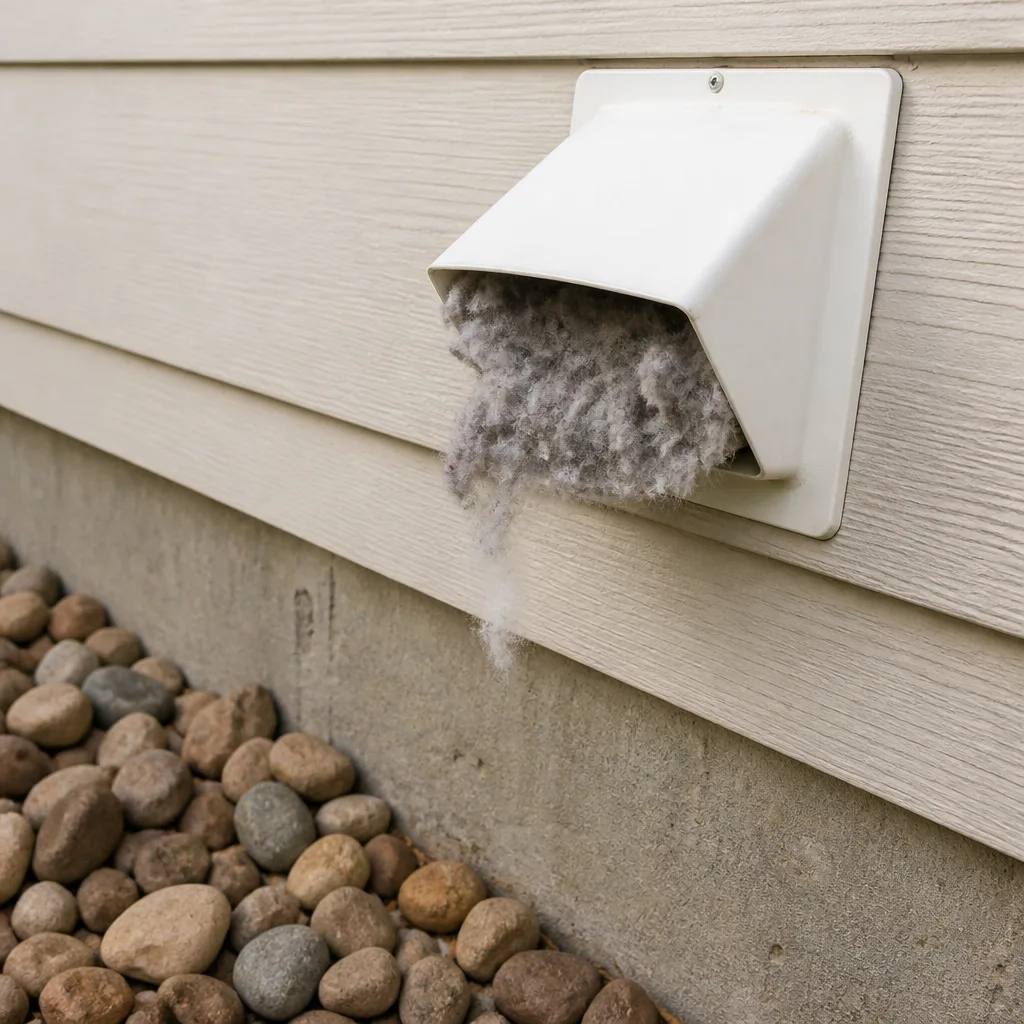 Dryer vent cleaning
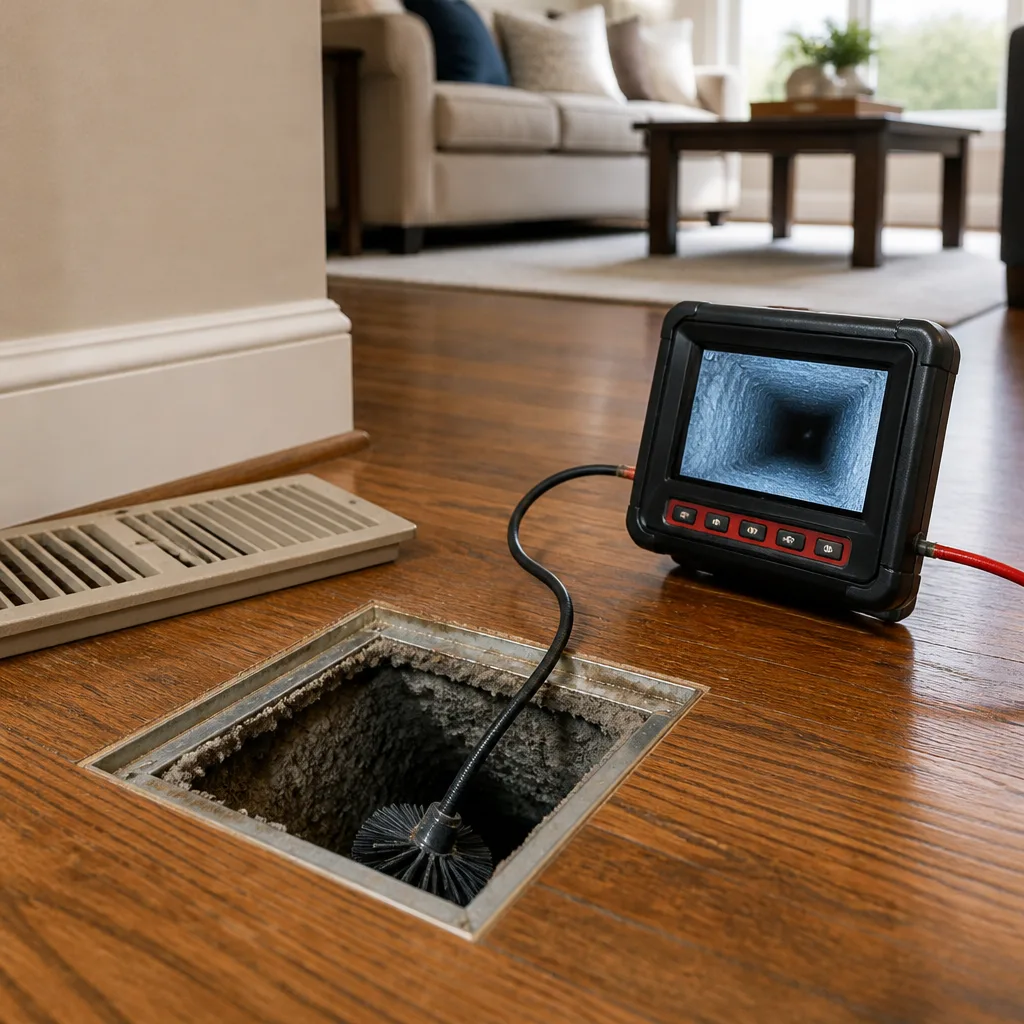 Camera inspection
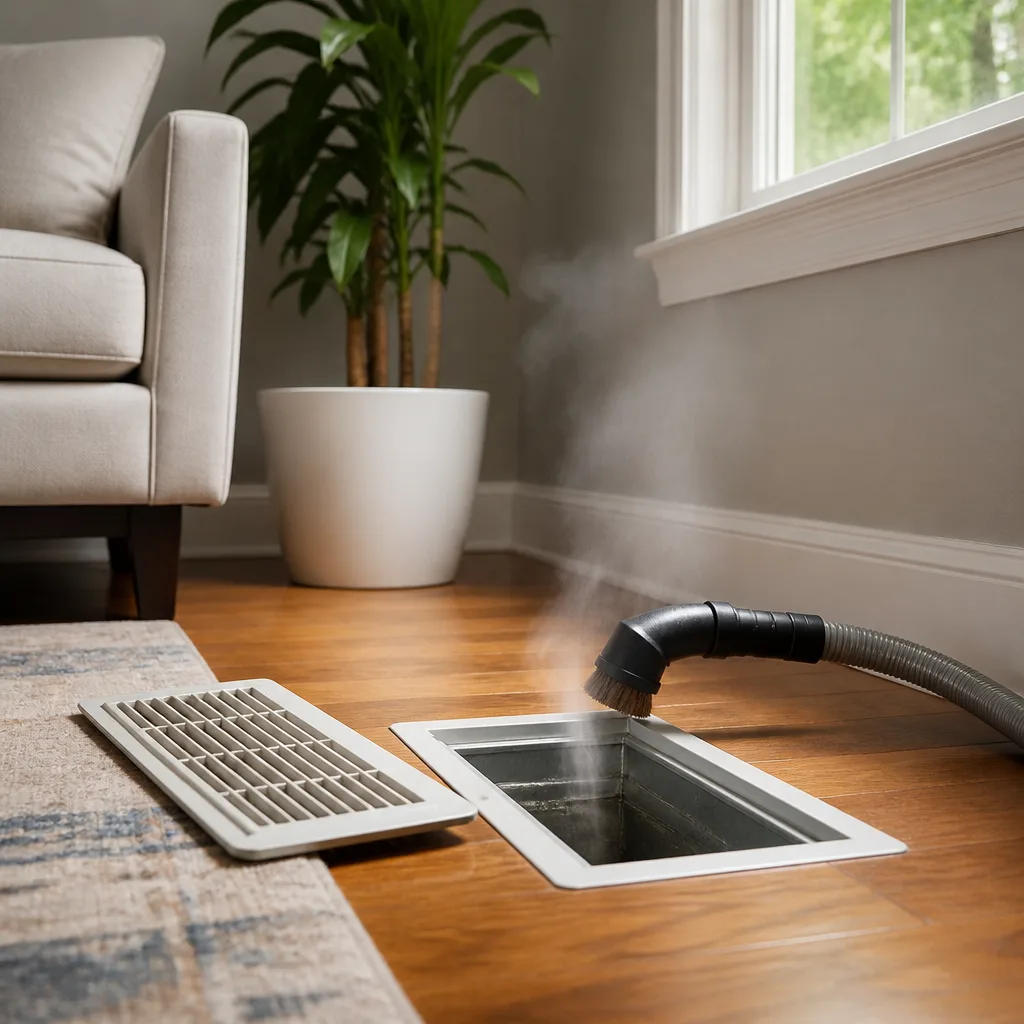 Sanitizing & deodorizing
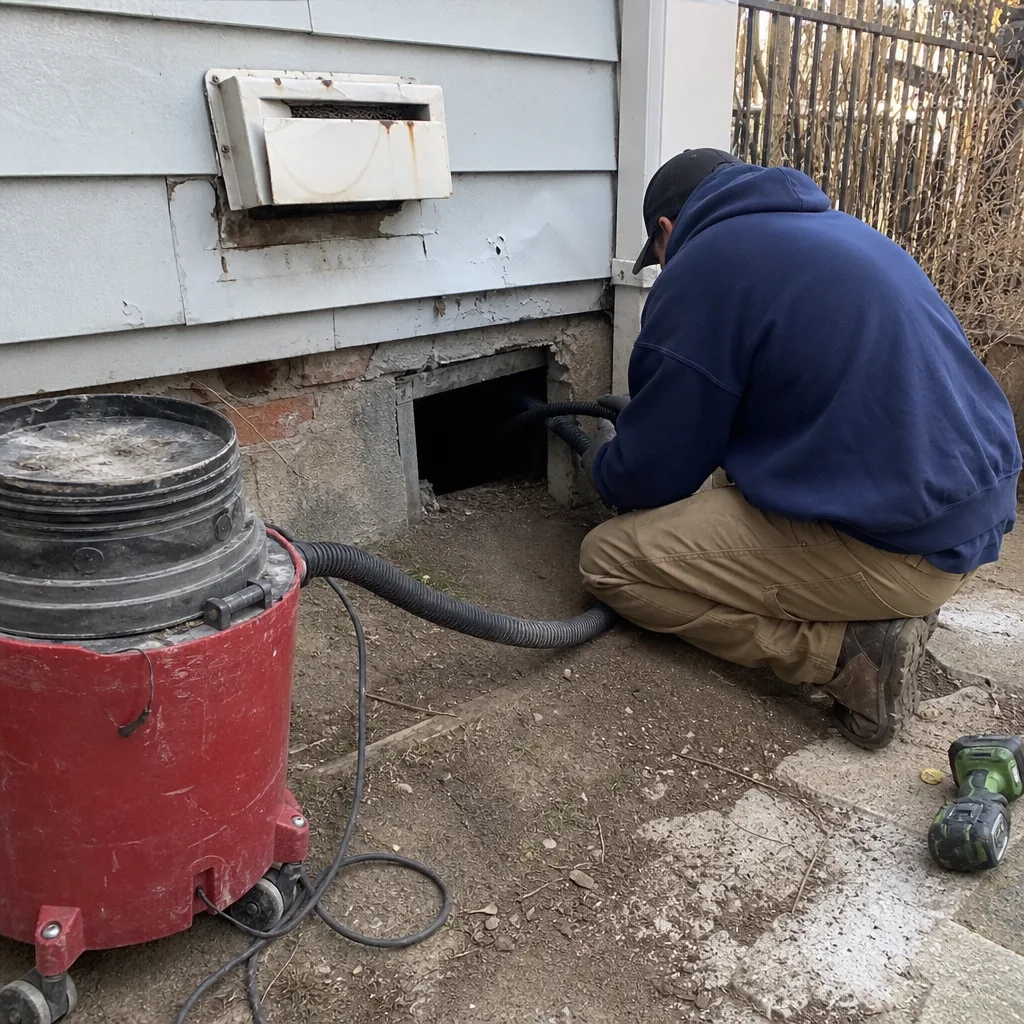
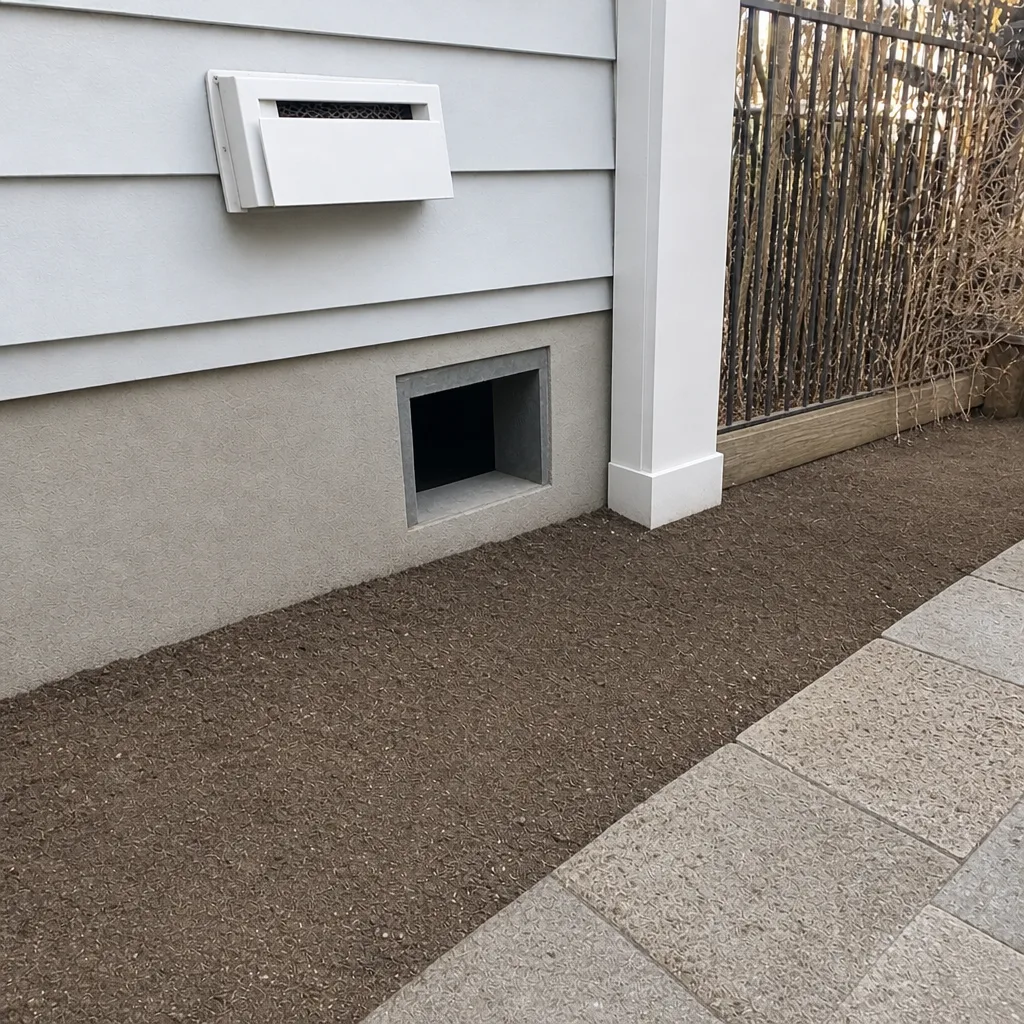
Whole-system duct and dryer vent check with before-and-after photos - you see exactly what came out of your vents
That "$99 whole-house special" is a bait ad - the real number appears once they are in your hallway, or the "clean" is a shop-vac at the register. We photograph the inside of your ducts before and after instead.
Air Duct Cleaning Maintenance Checklist for Sheepshead Bay Homeowners
A calendar that says “clean the ducts every three to five years” treats every home the same. It isn’t. A basement apartment in Sheepshead Bay after a humid August holds moisture in its ductwork far longer than a top-floor unit in a drier building a few blocks away, and that difference changes when the ducts actually need attention. The interval is a starting point, not a rule. What matters is reading your own system: the humidity levels it runs in, the filter grade your blower was built for, and the building type you live in. This guide gives you a checklist you can act on month by month, season by season, and year by year.
Styles & brands we work with
- Whole-home duct cleaning
- Dryer vent cleaning
- Camera inspection
- Sanitizing & deodorizing
Quick Answer
A workable air duct maintenance checklist for Sheepshead Bay homeowners combines three tiers: monthly visual checks at the registers, seasonal checks tied to heating and cooling changeovers, and an annual professional inspection or cleaning based on what those checks find. Fixed intervals alone miss the biggest triggers here, which are indoor humidity above roughly 60 percent, a filter upgrade your older system can’t handle, and post-event debris from renovations or pest work. Check monthly, adjust by season, and call a professional when a trigger fires rather than waiting for the calendar.
Table of Contents
- Why a Generic Duct Cleaning Calendar Fails in Sheepshead Bay
- Monthly Tasks: What You Can See and Check Yourself
- Seasonal Tasks: The Heating and Cooling Changeover
- Annual Tasks: What Requires Professional Inspection
- Humidity Threshold Triggers
- Filter Grade Compatibility Checks
- Visual Inspection Checkpoints at Supply and Return Registers
- Post-Event Triggers
- Common Mistakes to Avoid
- When to Call a Professional
- Frequently Asked Questions
- The Bottom Line
Why a Generic Duct Cleaning Calendar Fails in Sheepshead Bay
Sheepshead Bay housing stock is not one thing. Walk from a brick two-family near Emmons Avenue inland toward the low-rise apartment blocks off Ocean Avenue and you cross several different duct environments within a few minutes. Each one ages differently. A maintenance checklist that ignores building type is guessing.
Basement and garden-level apartments here sit closer to ground moisture. Through a humid August, a basement unit in Sheepshead Bay can hold relative humidity well above what its upstairs neighbors see, and duct interiors are a natural place for that moisture to collect and stay. Damp duct surfaces give microbial growth and musty odors a foothold that dry ductwork never offers. Older homes in the area also tend to have duct systems built around standard-efficiency blowers, and those blowers have a low tolerance for restrictive filters. Newer construction often uses tighter envelopes and dehumidification, so its ducts stay drier.
The practical takeaway: base your cleaning interval on the block you’re on, not a national average. The checklist below works because it asks you to watch your own system, then set the professional schedule from what you observe.
Monthly Tasks: What You Can See and Check Yourself
Monthly checks take ten minutes and catch most developing problems while they’re small. None of these require opening ductwork or removing a panel. They’re observation tasks: look, listen, note.
- Look at each supply register. Wipe a finger across the grille. A light, even coat of dust is normal. Thick gray fuzz, dark staining, or a damp film means something’s happening upstream and is worth logging.
- Check the return grille. Returns pull in more debris than supplies. If the return filter looks clogged after a month, something is shedding into the system faster than it should.
- Listen at the vents. Hold a hand near a supply when the blower runs. Weak or uneven airflow at one register often signals a leak, a crushed run, or an obstruction.
- Smell the air at the first run of the day. A musty or dusty smell that clears in a few minutes is common. A smell that lingers, or smells like pests, deserves a note.
- Record indoor humidity. A cheap hygrometer near the thermostat is enough. Write down the reading once a week. Patterns matter more than any single number.
- Look for dust trails and streaks. Dark streaks around a register or on the wall near it suggest air leaking around a loose boot or damaged duct sealant.
Keep these observations in one place: a note on your phone or a card taped inside the utility closet. When you do call a professional, that short record is worth more than memory. Our technicians have up to 9 years of experience, and they’ll ask exactly these questions.
Seasonal Tasks: The Heating and Cooling Changeover
Changeover is when hidden problems announce themselves. The checklist below is built around spring and fall, when the system runs in a different mode and dust that settled all season gets disturbed.
Spring (before air conditioning season):
- Change the filter and note the date.
- Check every supply and return for unrestricted airflow.
- Clear the area around the HVAC unit and remove anything stored against it.
- Check the condensate line or drain pan for standing water; water near ductwork is how microbial problems start.
- Schedule HVAC cleaning if the coil or blower hasn’t been cleaned in recent memory. The equipment feeding your ducts is part of the same air path.
Fall (before heating season):
- Change the filter again.
- Vacuum register grilles from the room side only.
- Run the heat for a few minutes the first cool evening and note any odor. First-run odor that clears is normal, but a persistent smell warrants a look.
- Inspect dryer venting separately. Lint buildup is a fire risk and belongs on this checklist. Our dryer vent cleaning service handles the full run, not just the lint trap end.
- Walk the basement or crawl area after a heavy rain and look for dampness near ducts.
Annual Tasks: What Requires Professional Inspection
Once a year, get eyes inside the system. You can’t do this yourself without the right tools, and the right tools are not consumer attachments. This is the tier where a professional inspection pays for itself by telling you whether cleaning is actually due.
- Have duct interiors inspected by camera or through access openings. A technician can tell you whether the interior is lightly dusted or carrying real accumulation.
- Have the blower, evaporator coil, and accessible unit surfaces checked and cleaned as needed. Dirty components push that dirt into your ducts.
- Have the duct system checked for leaks and sealing issues. Leaky returns draw unconditioned air, which brings in humidity and dust from walls and crawlspaces.
- Confirm the filter grade suits the system before changing anything.
- Review your monthly humidity log and monthly register notes with the technician so the schedule is set from evidence, not just habit.
When a professional cleaning is due, our technicians deploy air duct cleaning equipment built for duct interiors: Rotobrush and Nikro mechanical cleaning systems, plus Abatement Technologies air filtration to capture what gets dislodged so it doesn’t resettle in your rooms or travel to another part of the house. That combination handles the full air pathway and, where needed, duct repair and sealing as part of the same visit.
Humidity Threshold Triggers
Indoor relative humidity above roughly 60 percent, sustained over several days, should trigger an unscheduled duct inspection regardless of what the calendar says. Below that, most homes stay dry enough that routine scheduling holds. Above it, moisture becomes a genuine concern for duct interiors.
Sheepshead Bay’s summers are humid, and basement-level apartments feel it first. That’s why a hygrometer belongs on your monthly checklist. The reading matters more than the date on your last cleaning receipt. If you see a pattern of humid weeks indoors and notice any musty smell from the vents, that’s a duct inspection signal, even if you cleaned recently. If humidity stays high through summer in a damp basement unit, plan on a seasonal inspection rather than an annual one.
Where moisture has already met organic dust, cleaning alone may not be enough. Sanitizing treatments address what vacuuming leaves behind, and the sanitizing step should be discussed with your technician at inspection time, not added blind.
Filter Grade Compatibility Checks
Higher MERV isn’t automatically better. Most residential duct systems are designed around a specific filter resistance range, and dropping in a highly restrictive filter can starve the blower and reduce airflow throughout the house.
- Start with the owner’s manual or the rating on the existing filter. Match the grade your system was built for rather than the highest number on the shelf.
- Watch for symptoms of over-restriction. Short cycling, weak supply airflow, a whistling sound near the filter slot, or the blower straining if the filter is too restrictive.
- In older Sheepshead Bay homes, the blower and ductwork were typically set up for a basic pleated filter. If you’ve upgraded to a high-MERV filter and the house doesn’t cool or heat as well as before, the filter is the likely culprit.
- Filter upgrades belong at the return, at the blower before the coil, and should be sized to the slot. A filter that doesn’t seal correctly lets air bypass the filter entirely.
If you want filtration beyond what your system can handle at the return slot, consider a dedicated approach. Honeywell and Aprilaire filtration products can add capture without asking the blower to work against a restrictive media filter.
Visual Inspection Checkpoints at Supply and Return Registers
You can read a lot about duct interiors without opening the system. Register-level clues tell you whether the inside is lightly dusted or carrying accumulation.
What a healthy system looks like: clean, dry grilles with even dust distribution and no staining. Airflow feels consistent across all registers. No odor other than ordinary house air.
What should raise a flag:
- Dark streaks around the register frame or wall, suggesting an air leak at the boot.
- Dust coating that returns within a week or two of cleaning.
- Visible debris blown out when the system starts.
- Grime on the return grille that’s noticeably heavier than on supplies.
- Condensation or dampness on the register or nearby surface.
- Pest presence at the register (droppings, casing, insects).
When two or more of these show up together, the interior almost always needs professional attention. A few small register-level signs we can often rule out over the phone after you send a photo.
Post-Event Triggers
Some Sheepshead Bay jobs get skipped because they don’t fit a calendar at all. These are event triggers: things that happen and disturb your system, regardless of its last cleaning.
- Post-construction or renovation. Drywall dust, sawdust, and insulation fibers migrate through a house during remodels. A renovation followed by a normal operational run sends that debris straight into your ducts. Schedule a cleaning after the dust settles and before the season changes.
- After a pest remediation. Pest control work disturbs nesting material and insulation, and rodent droppings carry real health concerns. A minimum recommendation after dealing with pests is a duct inspection, since nesting material and droppings can settle in ductwork and insulation.
- Dampness or minor water intrusion. After a leak, flood, or spill that reaches the unit or duct area, schedule an inspection once everything is dry. Hidden moisture needs a mold check.
Cost is a reasonable question. Typical pricing in Sheepshead Bay depends on system size and scope, and the written estimate sets the final price. Call (866) 937-8180 for a free estimate. We answer 24/7. Fast dispatch from 7am to 7pm, Sunday through Friday.
Common Mistakes to Avoid
- Treating a cleaning quote as a cleaning schedule. The technician is inspecting and pricing, not predicting when you’ll need the work again. Ask for a written recommendation instead of accepting a date.
- Ignoring register-level clues because the system “works fine.” A system can heat and cool correctly while slowly accumulating dust and moisture behind the walls.
- Upgrading to a high-MERV filter without checking the system design. In older Sheepshead Bay homes this often reduces airflow, raising dust in the system rather than capturing it.
- Reaching for a consumer vacuum attachment on a duct run. It doesn’t reach the interior surface and can push debris deeper. Rotobrush and Nikro mechanical cleaning systems exist because consumer equipment doesn’t do the job.
- Waiting on dampness. A basement unit with a damp smell after August often has interior moisture the owner can’t see. Bag the humidity reading and act on it.
- Hiring a general HVAC contractor for air quality work. Cleaning, repair, sanitizing, and filtration each require a different setup. The company should handle the full air pathway in one appointment.
- Forgetting the dryer vent. It’s a separate fire-safety item that homeowners miss constantly. This should be on your annual list every year.
When to Call a Professional
Call when any of the following happens: persistent musty or stale odor from the vents; visible dust discharge when the system starts; humidity trending above 60 percent in a basement or garden-level unit; significant dust accumulation in registers after a recent cleaning; recent renovation or pest remediation work; airflow noticeably weaker than a month ago; a new renovation or new occupant in the unit; or an annual inspection that’s come due. This doesn’t replace your routines – it’s the layer that needs professional equipment.
Air Duct Cleaning Sheepshead Bay offers free estimates in Sheepshead Bay. Call (866) 937-8180. We answer 24/7. Fast dispatch from 7am to 7pm, Sunday through Friday. The estimate is free, and the written estimate sets the price per system. The local pro we connect you with is licensed and insured as the state requires.
Frequently Asked Questions
Most Sheepshead Bay homes need professional cleaning every three to five years, but that range assumes a dry system and a clean filter routine. Higher-humidity building types, basement units, homes with pets, and households with allergy or respiratory concerns may need inspection annually. A cleaning interval without considering your particular building is a bad bet. Call (866) 937-8180 for an exact quote, and estimates are free.
Cheap quotes are usually cheap because they skip something: no mechanical equipment, no air filtration during cleaning, or an invoice that grows once the technician is inside. Equipment matters here. A quote that doesn’t specify mechanical cleaning with a system like Rotobrush or Nikro, and air capture during the job, isn’t doing the same work. Call (866) 937-8180 for an honest, complete quote – estimates are free.
You should see before-and-after photos of your own system’s ducts, plus evidence of the mechanical equipment and air capture setup on site. Any professional service should happily show you what it found before it started and what it left behind. Call (866) 937-8180 and we’ll walk you through exactly what the work will involve – estimates are free.
It can reduce airflow enough to strain the blower and make the system work harder, especially in older homes in Sheepshead Bay built around standard-efficiency equipment. Match the filter grade to the system’s design before upgrading, and watch for short cycling or weak airflow after a change. For filtration beyond the return slot, Aprilaire and Honeywell options exist that add capture without starving the blower.
Usually, yes. Basement and garden-level apartments in Sheepshead Bay stay closer to ground moisture and can hold higher indoor humidity through summer. That makes them more prone to musty odors and microbial growth in duct interiors. Watch your humidity readings and call for inspection when they stay above 60 percent. Call (866) 937-8180 for an estimate – it’s free.
Reducing dust and debris in the airstream can help, but it’s not a guarantee and shouldn’t be sold as one. What we can do is measure: before-and-after particle counts are available on request so you can see what changed. Worth discussing with your doctor, and worth calling (866) 937-8180 to get an honest assessment of your system – free estimates.
The Bottom Line
Your Sheepshead Bay duct cleaning schedule should be built on observation, not just a calendar. Check registers monthly, handle filters and humidity logs seasonally, get a professional inspection annually, and act immediately on event triggers like renovations or pest work. Set a humidity threshold of around 60 percent as your unscheduled inspection trigger, especially in basement units. Match your filter grade to your system’s design before upgrading. When you do schedule the work, insist on mechanical cleaning equipment and air capture during the job – that’s the difference between a real cleaning and a shop vac with a receipt. The written estimate sets the final price.
Ready to get eyes inside your system? Call (866) 937-8180. We answer 24/7. Fast dispatch from 7am to 7pm, Sunday through Friday. The estimate is free and the written estimate sets the price per system. Air Duct Cleaning Sheepshead Bay handles the full air pathway from intake to output, so you’re not booking a second contractor to finish the job.
Written by the team at Air Duct Cleaning Sheepshead Bay.
See the difference
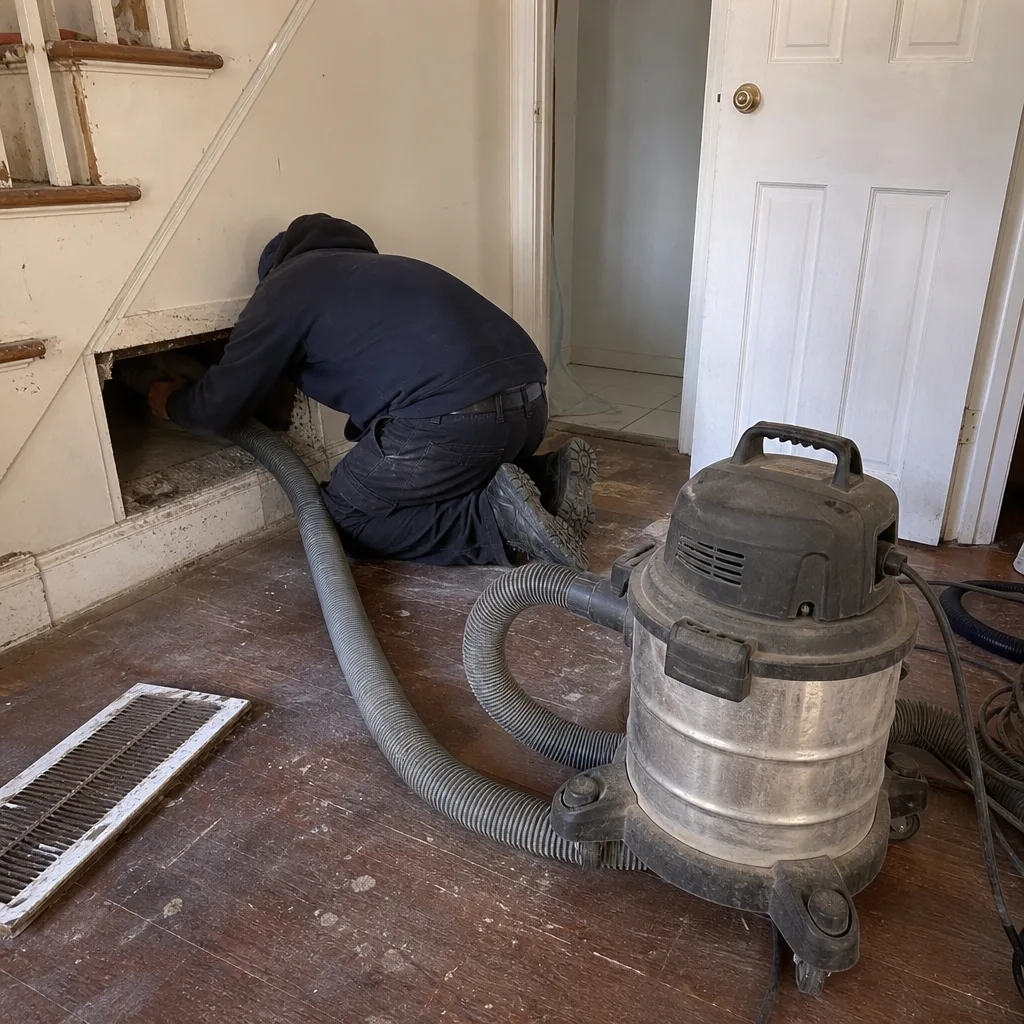 Before
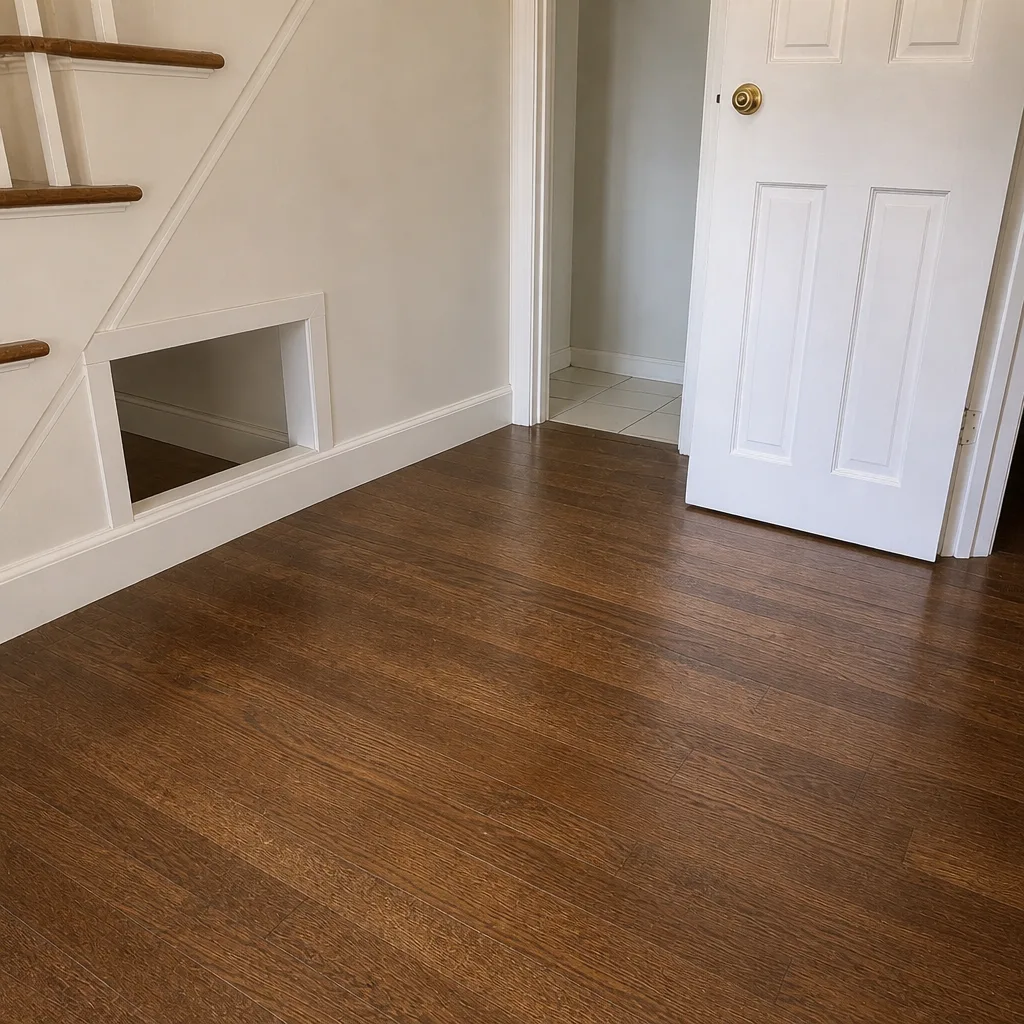 After
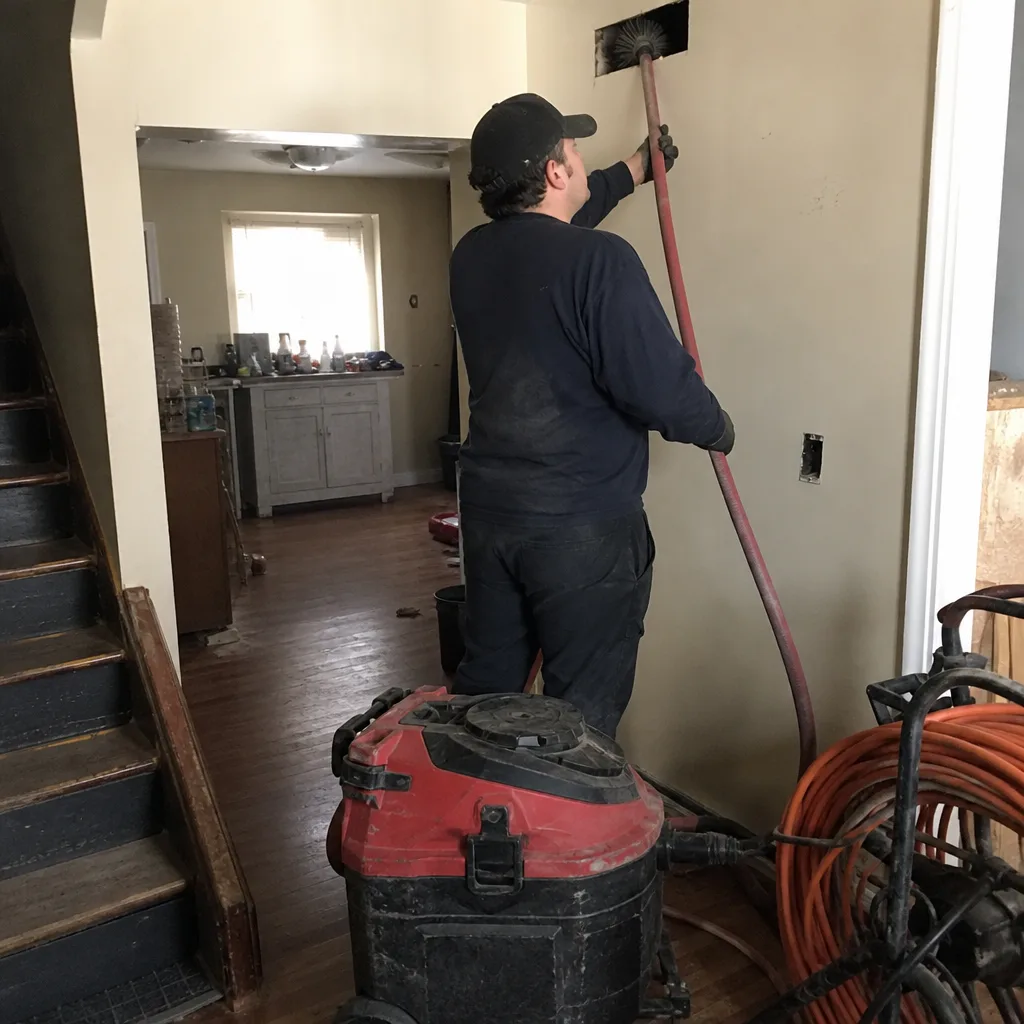 Before
 After
 Before
 After