
Last updated November 22, 2026
 Whole-home duct cleaning
 Dryer vent cleaning
 Camera inspection
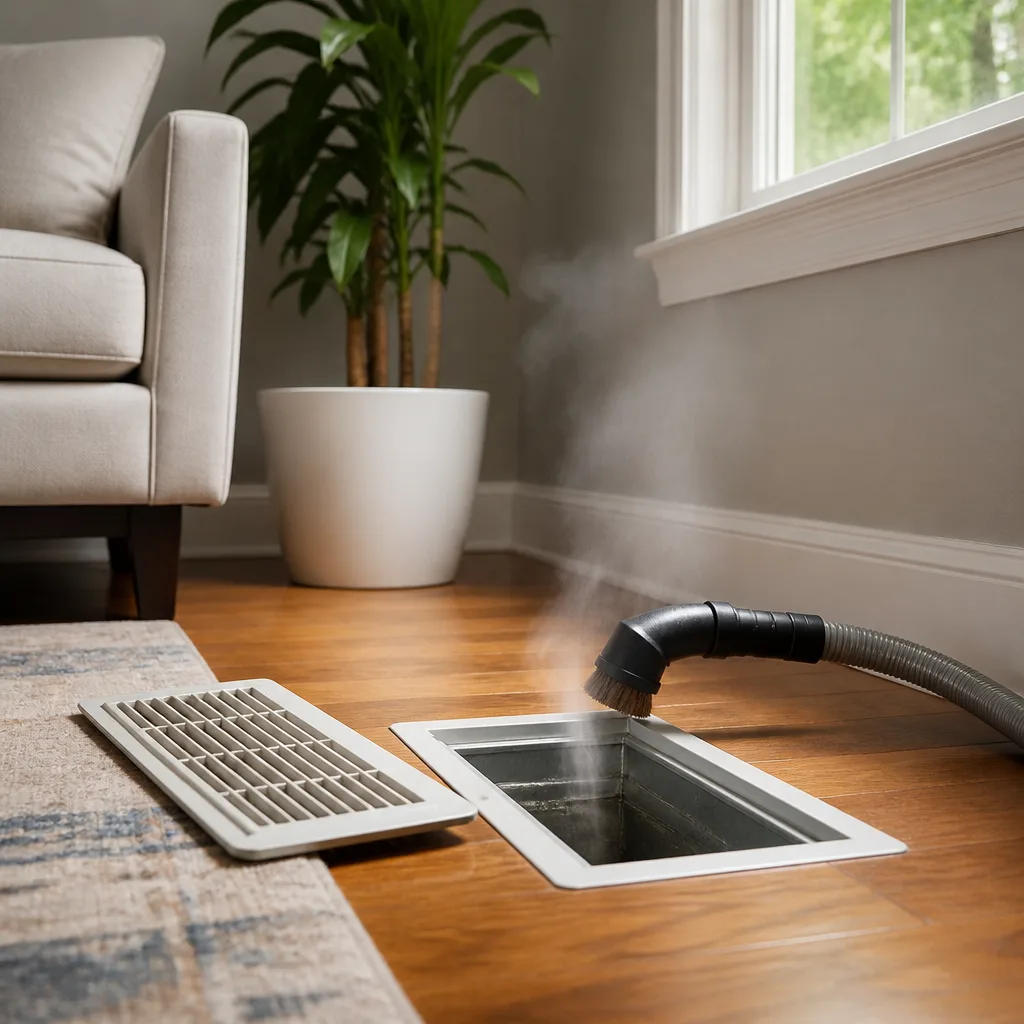 Sanitizing & deodorizing
Whole-system duct and dryer vent check with before-and-after photos - you see exactly what came out of your vents
That "$99 whole-house special" is a bait ad - the real number appears once they are in your hallway, or the "clean" is a shop-vac at the register. We photograph the inside of your ducts before and after instead.
Seasonal Air Duct Cleaning Care for Sheepshead Bay: Year-Round Homeowner’s Guide
Most homeowners think about their heating system in January, when the radiators are roaring and the gas bill arrives. But the conditions that do the most damage to ductwork in Sheepshead Bay actually set up months earlier, during the muggy stretch of late summer when the AC runs nonstop and moisture has nowhere to go. By the time you notice a musty smell or a dust film on the furniture, the problem has usually been building since August. This guide walks through what each season does to the ducts inside a Sheepshead Bay home, how to time inspections and cleanings around that cycle, and how to build a care calendar tuned to this neighborhood’s humidity rather than a generic national schedule.
Quick Answer
Air ducts in Sheepshead Bay need attention on a seasonal rhythm, not once every few years. The highest-value timing is a pre-heating-season inspection in early fall, a post-winter assessment in spring, and a mid-summer check on condensation and filter performance. Most homes here do well with a professional cleaning every two to three years, though homes with pets, allergy sufferers, or recent renovation work often need one sooner.
Styles & brands we work with
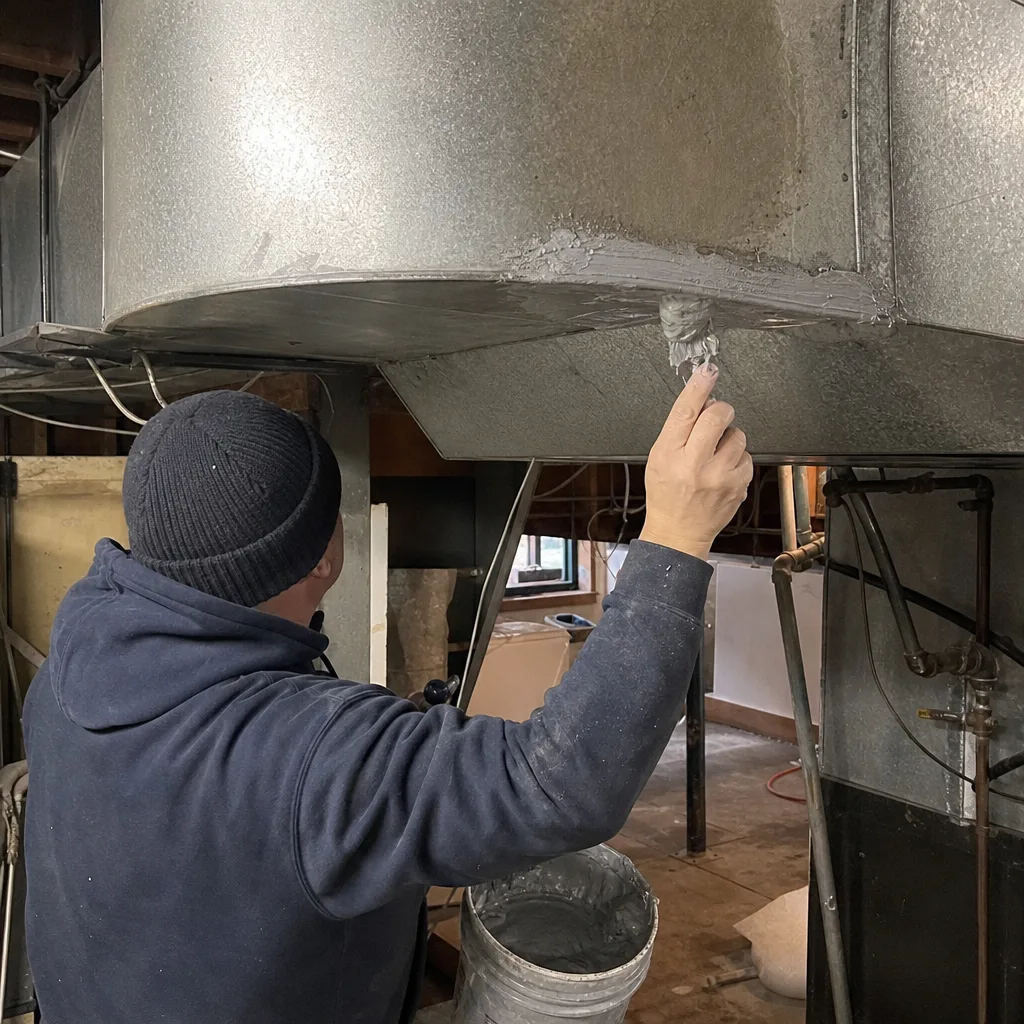
- Whole-home duct cleaning
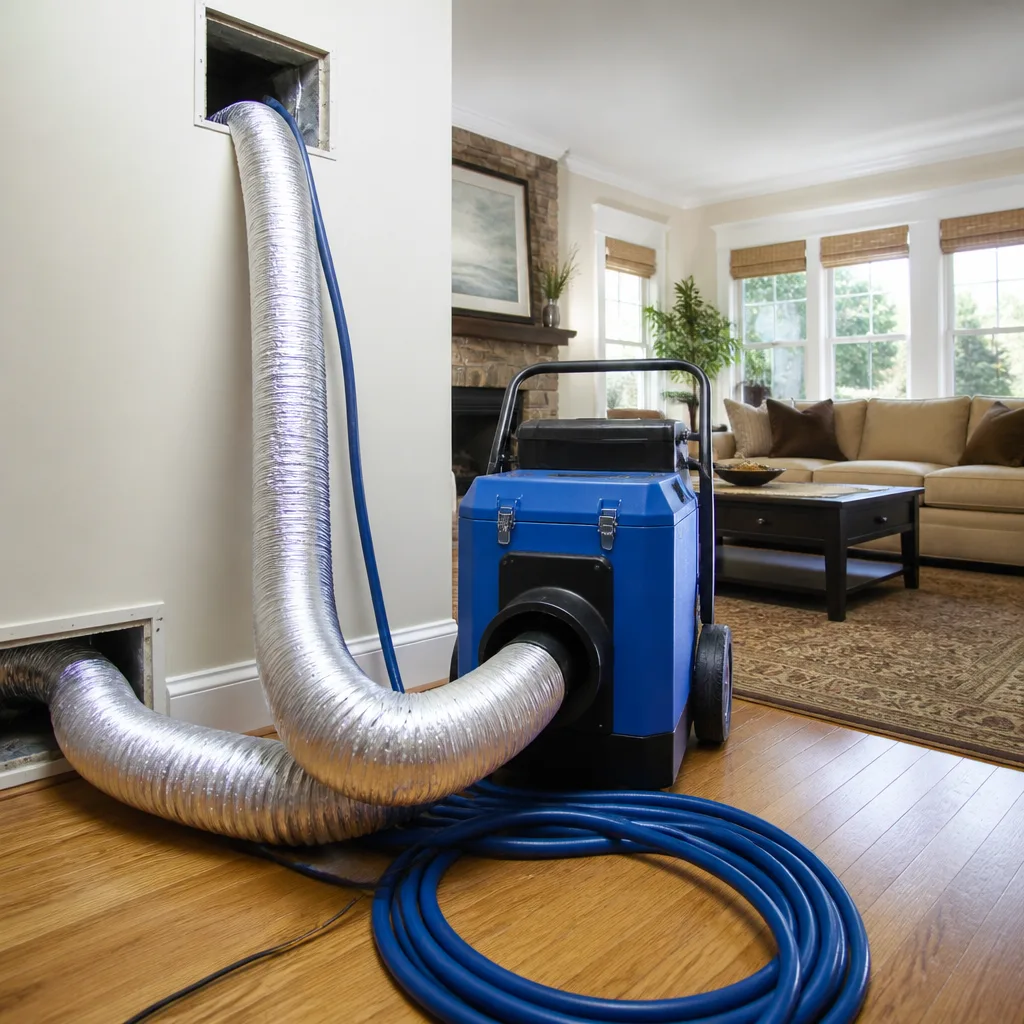
- Dryer vent cleaning
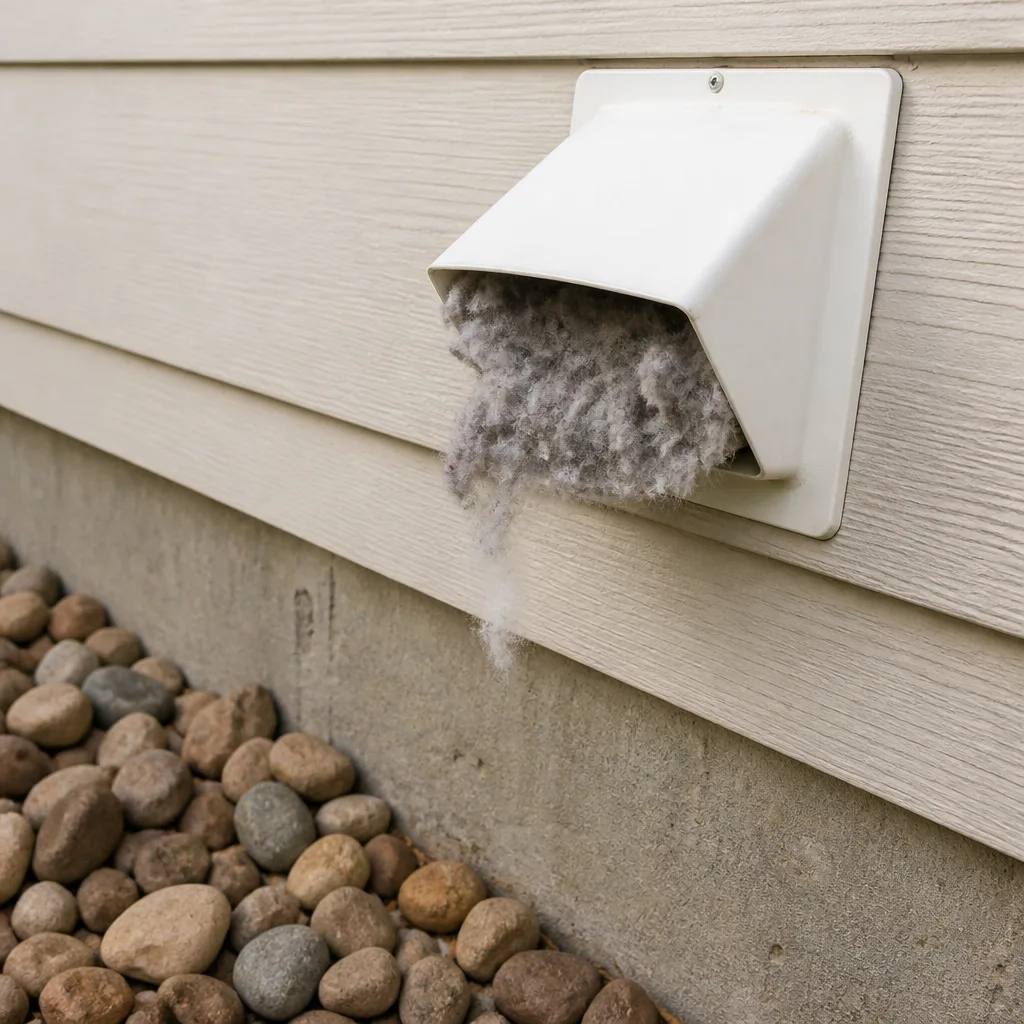
- Camera inspection
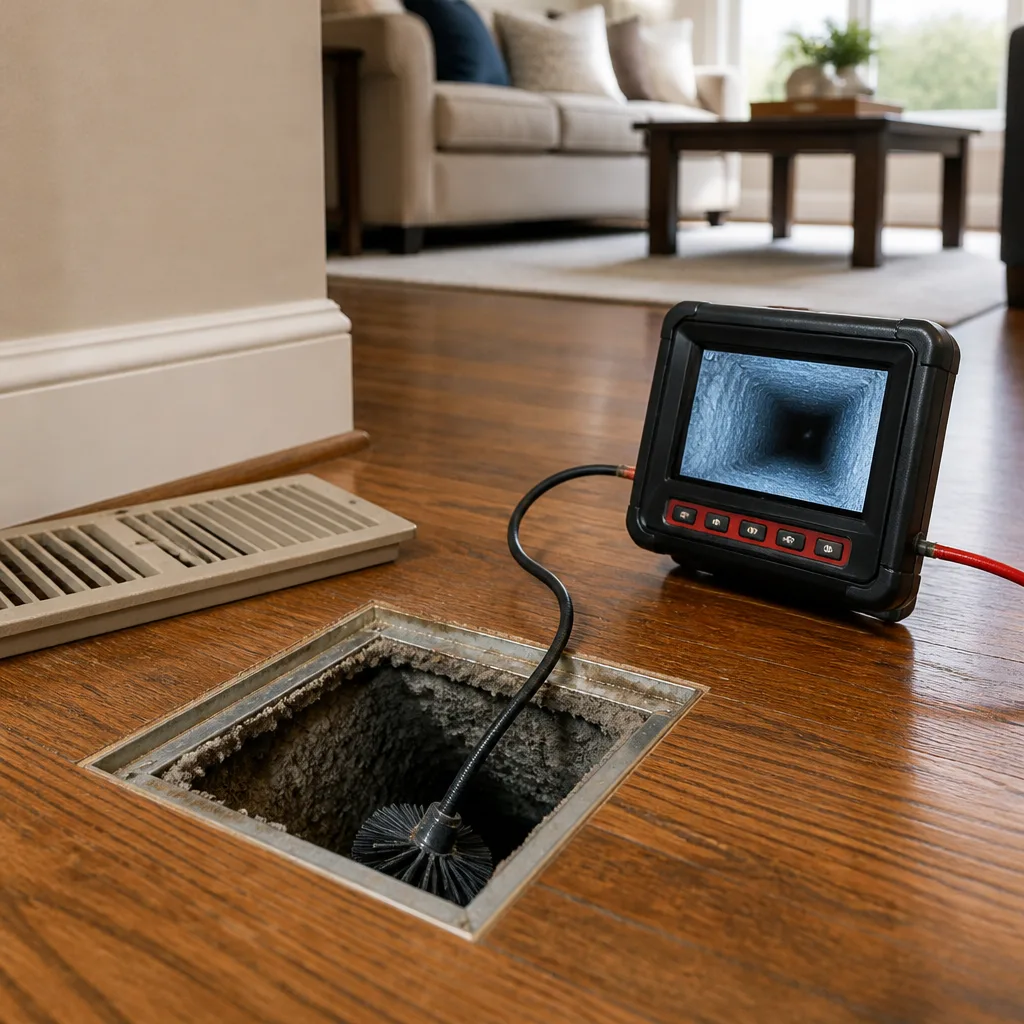
- Sanitizing & deodorizing
Table of Contents
- Why Sheepshead Bay’s Seasons Matter More Than You’d Think
- Summer: When Humidity Sets the Stage for Contamination
- Fall: The Highest-Value Inspection Window of the Year
- Winter: Finding Drafts and Seam Leaks in Older Homes
- Spring: The Post-Heating Assessment
- Building a Year-Round Care Calendar for Sheepshead Bay
- What to Check Yourself Each Season
- How Often Should Ducts Be Cleaned Here?
Why Sheepshead Bay’s Seasons Matter More Than You’d Think
The single biggest reason duct care in Sheepshead Bay looks different from duct care in Phoenix or Denver is moisture. This neighborhood sits at the edge of a tidal bay, and the humidity that comes with that geography is the driving variable in every season’s effect on a duct system. Summer air that holds more water vapor pushes through the coils and into the duct network. Fall brings cool nights and warmer days, a temperature swing that causes condensation on cold metal surfaces. Winter forces the heating system into long runs that circulate whatever has accumulated since spring. Spring brings pollen from the sycamores and London planes that line the streets, drawn in through return grilles along with the dust that settled over the winter.
None of this is dramatic on its own. What matters is the cumulative effect. A duct system that never gets a professional cleaning in a Sheepshead Bay home is dealing with four distinct load patterns per year, each one depositing something different on the interior walls of the ductwork. Add the reality that many of the homes here date back decades, with duct runs that have shifted, sealed unevenly, or picked up small leaks over the years, and the case for a seasonal approach becomes clear. A single cleaning on a random schedule can miss the moment when contamination is most active.
What we see in our work is that homeowners who understand their own seasonal cycle make better cleaning decisions and get more out of each appointment. That’s the point of this guide.
Summer: When Humidity Sets the Stage for Contamination
Summer is the season most people overlook in terms of duct health, because the AC is running and the house feels comfortable. But summer in Sheepshead Bay is precisely when the conditions inside a duct system can turn against you. Continuous cooling operation in high-humidity air creates the two ingredients that matter most for mold and microbial growth: moisture and a steady food supply of settled dust and organic debris.
Here’s the mechanism. Your AC pulls warm, humid air across the evaporator coil. The coil is cold. Where the air is cooled below its dew point, moisture condenses out. Most of that condensation runs into the drain pan and out of the system. But condensation doesn’t always cooperate. In a duct system with imperfect insulation, or on the cold surfaces along the supply trunks, moisture can collect on the interior walls. That moisture mixes with dust that’s already accumulated and creates a damp film. Once there’s a damp film, mold spores that ride in on the airstream have what they need to settle and spread.
Why does this matter in Sheepshead Bay specifically? Because the summer humidity here runs higher than the regional average. If you’ve ever walked outside on an August morning and felt the air thick against your skin, you’ve felt the exact condition that feeds duct contamination. The system’s job is to remove that moisture, and it does, most of the time. But every degree of extra load is a small margin of failure.
What to do in summer:
- Check your filters monthly. Summer dust load is high, and a clogged filter downs the whole moisture-removal math.
- Look for musty smells at the registers. That smell is the fastest indicator that a damp film is forming somewhere in the duct network.
- Watch for water staining around the air handler or any duct joints you can see in the basement or utility closet.
- Keep the drain line clear. A slow drain in the pan is an open invitation for microbial growth.
If you notice any of the signs above, don’t wait for fall. Call (866) 937-8180. We answer 24/7. Fast dispatch from 7am to 7pm, Sunday through Friday.
Fall: The Highest-Value Inspection Window of the Year
Fall is the best time to inspect and, if needed, clean the duct system in a Sheepshead Bay home. That’s not a marketing line, it’s a mechanical one. When the weather turns cool and the heat kicks on for the first time, the entire duct system shifts in a way it hasn’t since last spring. Warm air begins moving through ducts that spent four months carrying cold air. The dust that settled during the summer gets picked up, and in a matter of hours it distributes itself through every register in the house.
If the ducts haven’t been cleaned since spring, that first heating cycle is when the accumulated summer debris goes airborne. Many homeowners notice a burnt-dust smell in the first days of heating season. Some of that is the residue burning off the heat exchanger. A lot of it is the settled dust from the cooling season getting lifted for the first time.
A pre-heating-season inspection catches three things at once:
- Debris load measurement. A technician can see exactly how much particulate has built up since the last cleaning, and whether it’s concentrated in one section of the return trunk.
- Moisture and odor assessment. Any damp areas that formed during the summer get flagged before they turn into a bigger problem during the winter.
- Duct system integrity check. Seam leaks that were easy to ignore in summer become a different problem when warm air starts leaking into an unheated space.
Pair the inspection with a professional air duct cleaning if the assessment calls for it. Fall is also a good time to schedule HVAC unit cleaning, since the coils and blower housing have absorbed a full cooling season of dust and should be clean before the heating cycle begins. If you haven’t booked a visit yet, call (866) 937-8180 to set up a free estimate.
Winter: Finding Drafts and Seam Leaks in Older Homes
Winter turns duct leaks into a comfort problem and an air-quality problem at once. In a home where the ducts run through unheated spaces such as a crawlspace, an attic, or the space between joists, a leaky seam isn’t just leaking air. It’s also letting outdoor air get pulled into the system. That infiltration carries whatever is in the crawlspace with it: insulation fibers, dust, and in the case of some older Sheepshead Bay homes, moisture and microbial spores.
The comfort math is straightforward. Heated air that escapes through a seam never reaches your rooms, so the system runs longer to compensate. Longer runs mean more air moving through the same leaks, which is why a small draft in November feels like a cold room by January. In the older duplexes and attached homes common around Sheepshead Bay, the problem often shows up along shared walls where the duct seams have shifted over years of use.
How to spot duct-seam infiltration in winter:
- Rooms that feel noticeably colder than the thermostat reading suggests they should be.
- Dust accumulating faster than usual on furniture in rooms near the far end of the duct run.
- A cold draft at a register even when the system is running warm air.
- Uneven heating between rooms on the same floor.
If any of those signs show up, ask whether duct repair and sealing is worth adding to your schedule. A complete duct-to-register service includes sealing the seams your system depends on, so the warm air actually reaches the room. For a full walk-through assessment, we offer HVAC cleaning alongside duct work, which often surfaces the seam issues that are hardest to see. To book an estimate, call (866) 937-8180.
Spring: The Post-Heating Assessment
Once the heating season winds down, the duct system has been through its hardest run of the year. Five months of warm air moving at full speed, debris redistributing, filters loading up. Spring is when you find out what that did.
The three things worth checking in spring are:
- Filter system status. The winter air carries a load the summer doesn’t. If the filter clogged during heating season, run a fresh check before the AC starts up. A filter that’s already clogged when cooling begins puts stress on the evaporator coil.
- Carbon and soot deposits. Small traces of combustion byproducts from the heating system can settle on duct walls near the air handler. A cleaning removes them; a visual inspection confirms whether they’re present.
- Dust redistribution. Whatever accumulated over the winter needs to be removed before the cooling season circulates it again. A whole-system cleaning in spring resets the duct interior to a clean baseline going into summer.
Spring is also the right window for dryer vent cleaning, since the heavy winter laundry cycle tends to load the vent with lint. A restricted dryer vent is a fire hazard that gets worse over months, not better. The spring reset is a good time to handle both the duct and the vent in one visit. Call (866) 937-8180 to schedule a free estimate.
Building a Year-Round Care Calendar for Sheepshead Bay
A care calendar built on national averages is a care calendar that misses what’s actually happening inside a Sheepshead Bay home. The neighborhood’s humidity and its old-home housing stock should be the two variables that drive the schedule, not a generic annual reminder.
Here’s a four-season framework that reflects what we see in homes around here:
Summer (June through August)
- Change or clean filters monthly. Humidity pushes filter loading faster than dry air does.
- Inspect registers for musty odors once mid-summer. Catch the problem while it’s small.
- Book a mid-summer check if you have a home with pets, allergy sufferers, or kids in the house.
Fall (September through November)
- Schedule the pre-heating-season inspection. This is the highest-value single visit of the year.
- Commission a professional cleaning if the last one is more than two years old, or if there’s visible debris on the register grilles.
- Check duct seams in accessible spaces for loose tape or shifted joints before the first heating cycle.
Winter (December through February)
- Monitor every room for uneven heating. Cold spots tell you what the seams are doing.
- Check dust accumulation on furniture weekly. Faster buildup signals a leak somewhere upstream.
- Don’t skip filter changes. Winter filters can load with fine dust in a single month.
Spring (March through May)
- Fresh filters before the first AC cycle.
- Visual check of the air handler and the coil area for dust buildup.
- Book a post-heating assessment if you didn’t get a fall cleaning, and pair it with a dryer vent cleaning.
Homes with a history of allergy symptoms in the household should shorten this to a six-month cycle. Homes where no one has allergies and no pets live in the house can often stretch to two years between professional cleanings, provided the seasonal checks above are done.
What to Check Yourself Each Season
You don’t need to do anything technical to catch most duct problems early. A few minutes a season gives you enough information to know whether it’s time for a professional visit.
- Look at the register grilles. Dust caked on the inside of a grille is a sign of upstream buildup. Wipe it clean, and if it’s caked again in two weeks, that’s telling you something.
- Smell each room after the system has run for ten minutes. A musty smell is the single fastest sign that moisture has settled into the duct interior.
- Check the filter. Hold it up to the light. If you can’t see light through it, it’s loading.
- Look at the air handler area for water stains or condensation, especially in late summer.
- Feel for drafts at each register when the system is running warm air in winter. A cold draft at one register points to a seam leak downstream of it.
None of these are a substitute for a proper inspection with professional equipment, but they tell you when to pick up the phone. Any time you spot two or more of these signs in the same season, that’s your signal.
How Often Should Ducts Be Cleaned Here?
The honest answer for Sheepshead Bay is: every two to three years as a baseline, adjusted for the home and the household. No single number fits every home here, and any company that quotes you one blanket schedule is oversimplifying.
The variables that push the schedule shorter:
- Pets in the home load the return side of the system faster than the national baseline.
- Recent renovation puts construction dust into the system that has no business being there. Clean after every renovation, without exception.
- Allergy or asthma in the household makes the priority different. Clean more often and clean more thoroughly.
- Older duct systems with visible seam wear collect debris in the joints that a lighter inspection may miss.
The variables that allow a longer interval:
- No pets, no allergy sufferers, no recent renovation.
- Regular filter changes and a clean drop at the return grille.
- No history of musty odor or visible dust discharge from the registers.
What’s worth knowing about the cleaning itself: the equipment matters more than it might seem. Consumer-grade tools and shop vacuums agitate debris but don’t capture it, and the smaller particles that haven’t been captured resettle within days. That’s why we use Rotobrush and Nikro mechanical systems, which dislodge debris and leave nothing behind to resettle, backed by Abatement Technologies air filtration during the service to limit cross-contamination. If you’ve had a cleaning before and felt no difference afterward, that gap often comes down to equipment.
For a full picture of what’s covered, the Air Duct Cleaning Sheepshead Bay service page lists the entire scope, including duct repair and sealing and sanitizing. Call (866) 937-8180 for a free estimate.
Common Mistakes to Avoid
- Cleaning only the vents you can see. The registers are the visible end of a long duct run. Cleaning the grilles doesn’t touch what’s upstream, and the upstream section is where the accumulation actually lives. A whole-system cleaning addresses the full air pathway, not just the surface view.
- Skipping the fall inspection. Fall is the highest-value visit of the year in Sheepshead Bay, because it catches the summer accumulation before the winter circulates it. Skipping it means the debris spreads through the house instead of going out the vacuum.
- Ignoring a musty smell in August. A musty odor in late summer is the duct system telling you moisture has settled somewhere. Waiting until it becomes a visible problem in October costs more work and delays the fix.
- Assuming a newer duct system can’t have leaks. Duct seams can shift even a few years after installation, particularly in homes where the framing moves with temperature swings. Any accessible duct work should be sealed and inspected periodically.
- Forgetting the dryer vent in the seasonal cycle. Winter laundry loads the dryer vent with lint, and the vent is a fire path if it gets blocked. It belongs in the spring care calendar alongside the duct work.
- Stopping at cleaning when a sanitizing step is warranted. If a home has a history of mold, microbial odor, or allergy symptoms, cleaning alone won’t resolve the residue. A Guardsman-grade sanitizing treatment handles what vacuuming can’t.
- Leaving the filters alone between visits. Filters aren’t a once-a-season item during the summer here. Check them monthly between June and September, and change them when they’re visibly loaded. This one habit alone preserves the duct system more than anything else on this list.
See the difference
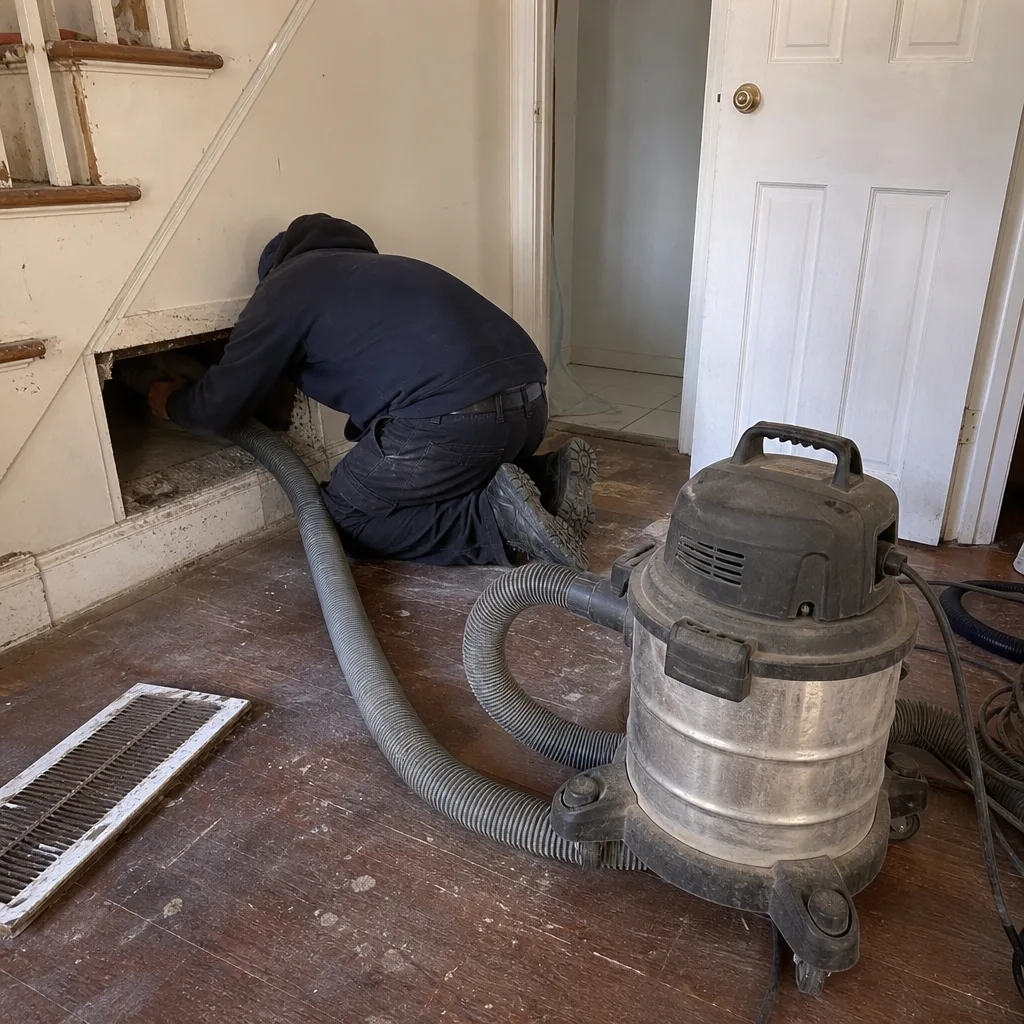 Before
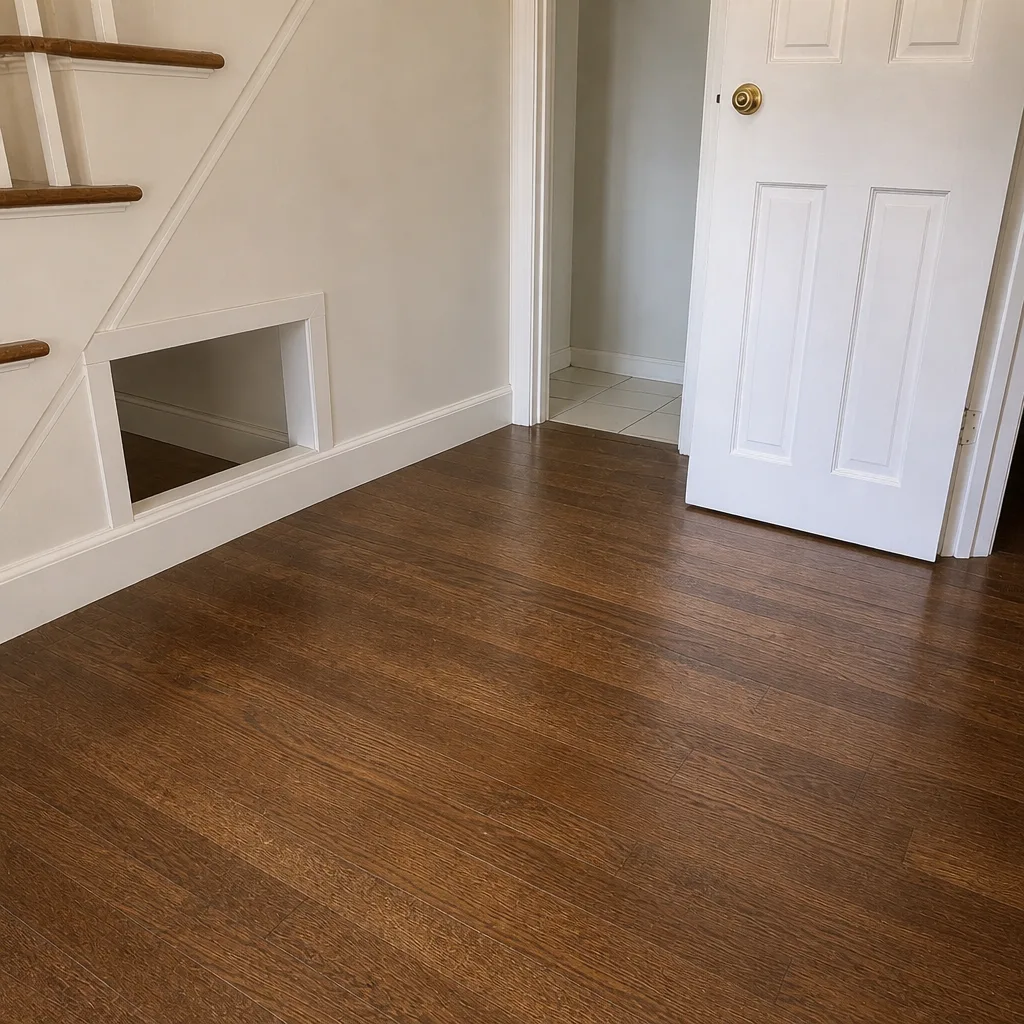 After
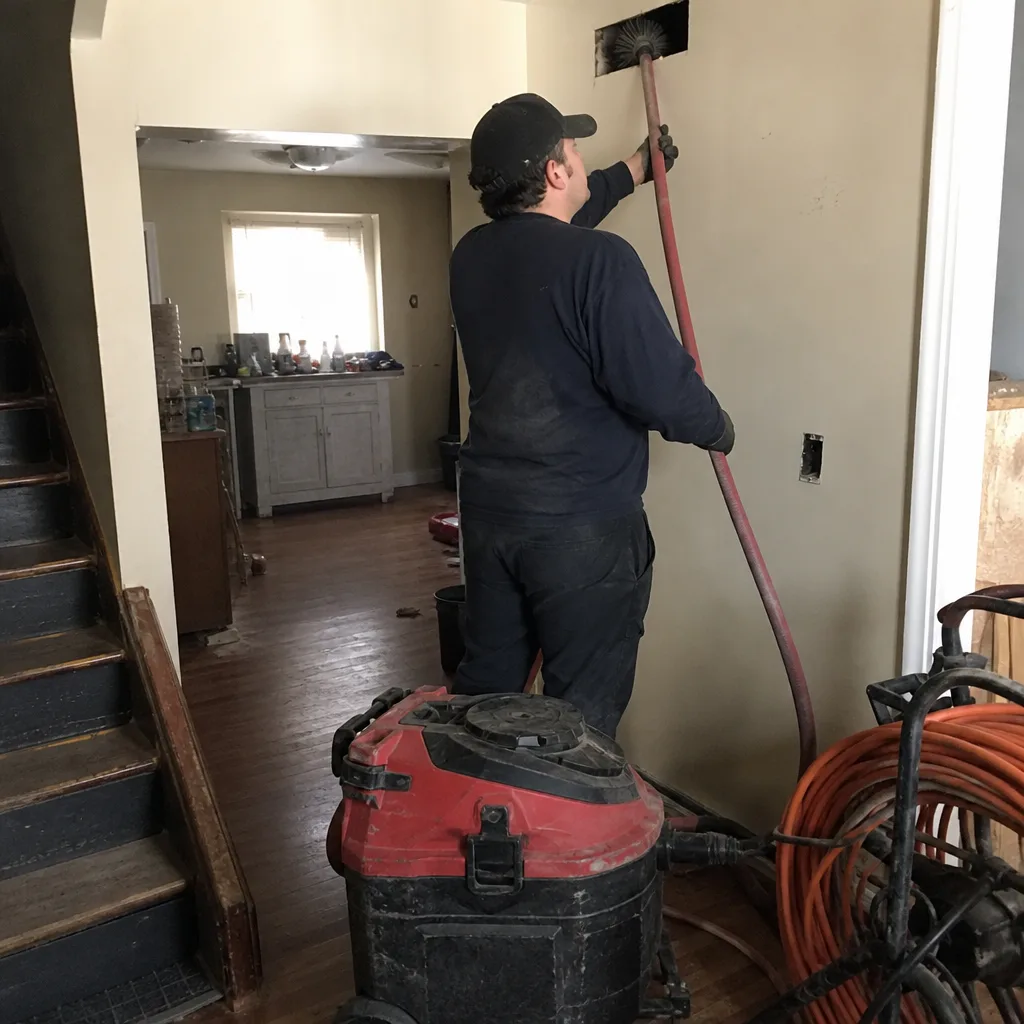 Before
 After
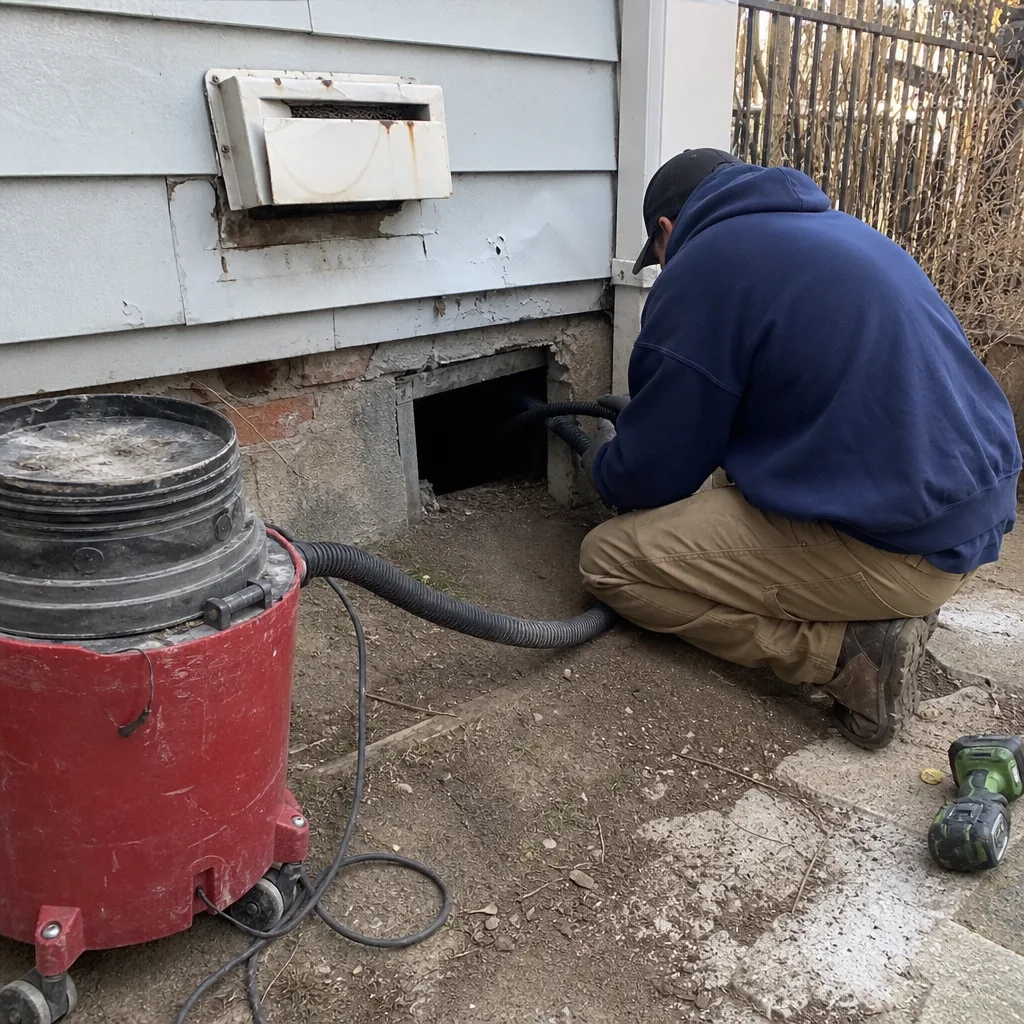 Before
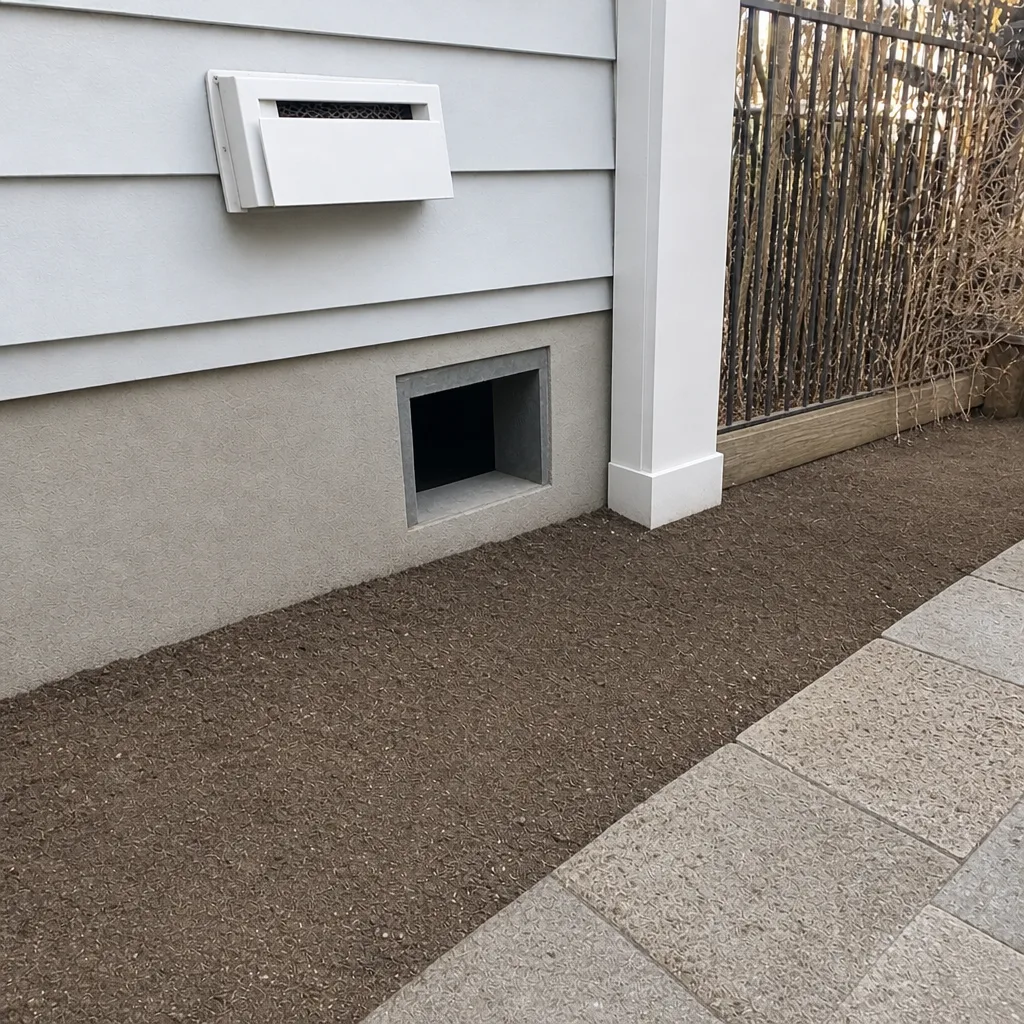 After
When to Call a Professional
There’s a clear line between a seasonal check and a call to a professional duct specialist. You’re past the DIY line if any of the following apply: visible mold growth inside a register or on an accessible duct interior, a persistent musty smell that returns within days of cleaning grilles, a noticeable increase in dust on furniture without a change in household routine, allergy symptoms that flare up whenever the heating or cooling system runs, or any visible debris discharge from a supply register. Reports of pest activity in a duct are another clear signal to call. Young children, elderly residents, and anyone with asthma or a compromised immune system make the case for a professional assessment more urgent.
Air Duct Cleaning Sheepshead Bay offers free estimates in Sheepshead Bay. We answer 24/7, with fast dispatch from 7am to 7pm, Sunday through Friday. The local pro is licensed and insured as their state requires, and you’ll see before-and-after photos of your own ducts at the end of the visit. Call (866) 937-8180.
Frequently Asked Questions
Every two to three years is a reasonable baseline for most Sheepshead Bay homes, adjusted for pets, allergy sufferers, and renovation history. Homes with pets or a household member with allergies typically do better on a two-year cycle, sometimes shorter. Homes without those factors can often stretch to three years, provided filters are changed regularly and no musty odor appears. Call (866) 937-8180 for an exact recommendation, which we’ll base on what we actually see on site.
The fall inspection is the single highest-value check of the year because it catches the debris load from summer before the heating system circulates it through the house. Once the heat kicks on, the accumulated dust and any microbial deposits that formed during the humid months go airborne and spread through every register. Catching them in the fall means removing them before that happens, rather than dealing with the aftermath. Call (866) 937-8180 to book a fall visit.
Often it is. In older attached homes common in Sheepshead Bay, duct seams can shift or lose their seal over time, and a draft at a register when the system is running is a strong indicator of a leak downstream of that register. Sealing those seams improves both comfort and indoor air quality, because a leaking duct seam pulls dust and whatever else is in the surrounding space into the airstream. We assess seam integrity as part of a full duct inspection. Call (866) 937-8180 for a free estimate.
Pricing depends on the size of the system, the number of supply and return runs, and whether repair, sealing, or sanitizing is included. We quote one flat price per system, agreed before work starts, so the final invoice matches the estimate. We don’t quote per-vent pricing or teaser rates, because those tend to grow once the technician is on site. The written estimate sets the final price. Call (866) 937-8180 for a free estimate.
You should expect commercial-grade mechanical duct-cleaning systems, not consumer-grade vacuums or shop-vac attachments. Our technicians use Rotobrush and Nikro systems, which dislodge debris mechanically and capture it rather than just agitating it, and we run Abatement Technologies air filtration during the service to limit cross-contamination in the home. If a company shows up with equipment that looks like it belongs in a garage rather than on a job site, that’s worth asking about before the work starts.
Ask for before-and-after photos of your own ducts, which we provide at the end of every appointment. Visual documentation of the duct interior before and after the cleaning is the clearest way to verify the work. You can also ask for particle-count readings, which our technicians can provide on request. The photos and readings document what was removed, not just what was scheduled. Call (866) 937-8180 to book an appointment and see for yourself.
The Bottom Line
The care calendar that works for a Sheepshead Bay home isn’t the one that works in Arizona or Colorado. The combination of high summer humidity and older housing stock means the four seasons here impose specific stresses on ductwork that a national schedule misses. The fall inspection is the highest-value single visit, the summer humidity is the driver of most microbial growth, the winter drafts point to seam leaks worth sealing, and the spring reset is the moment to catch whatever the winter left behind. A baseline cleaning every two to three years, adjusted for the household, is a reasonable starting point. If you want a care plan matched to your actual home, call (866) 937-8180 for a free estimate from Air Duct Cleaning Sheepshead Bay.
Written by the team at Air Duct Cleaning Sheepshead Bay.