
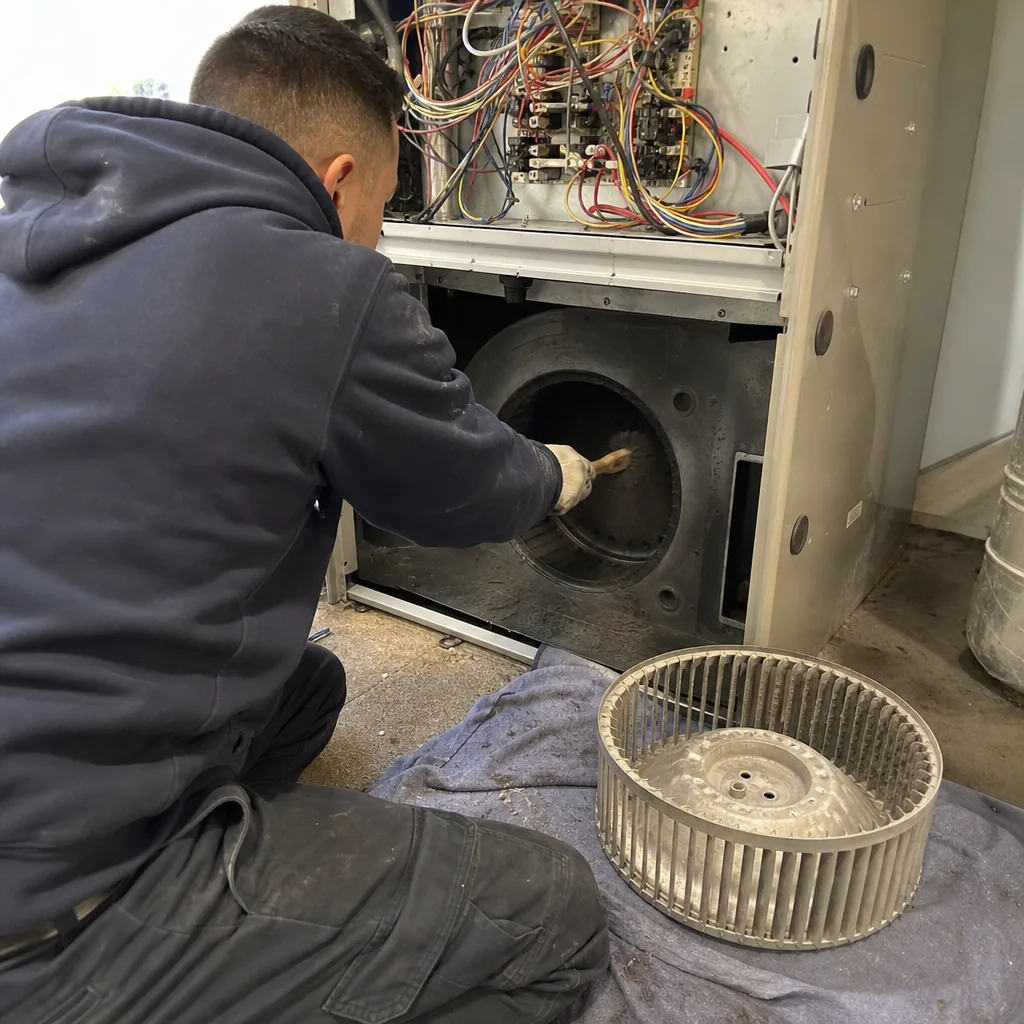
Last updated November 22, 2026
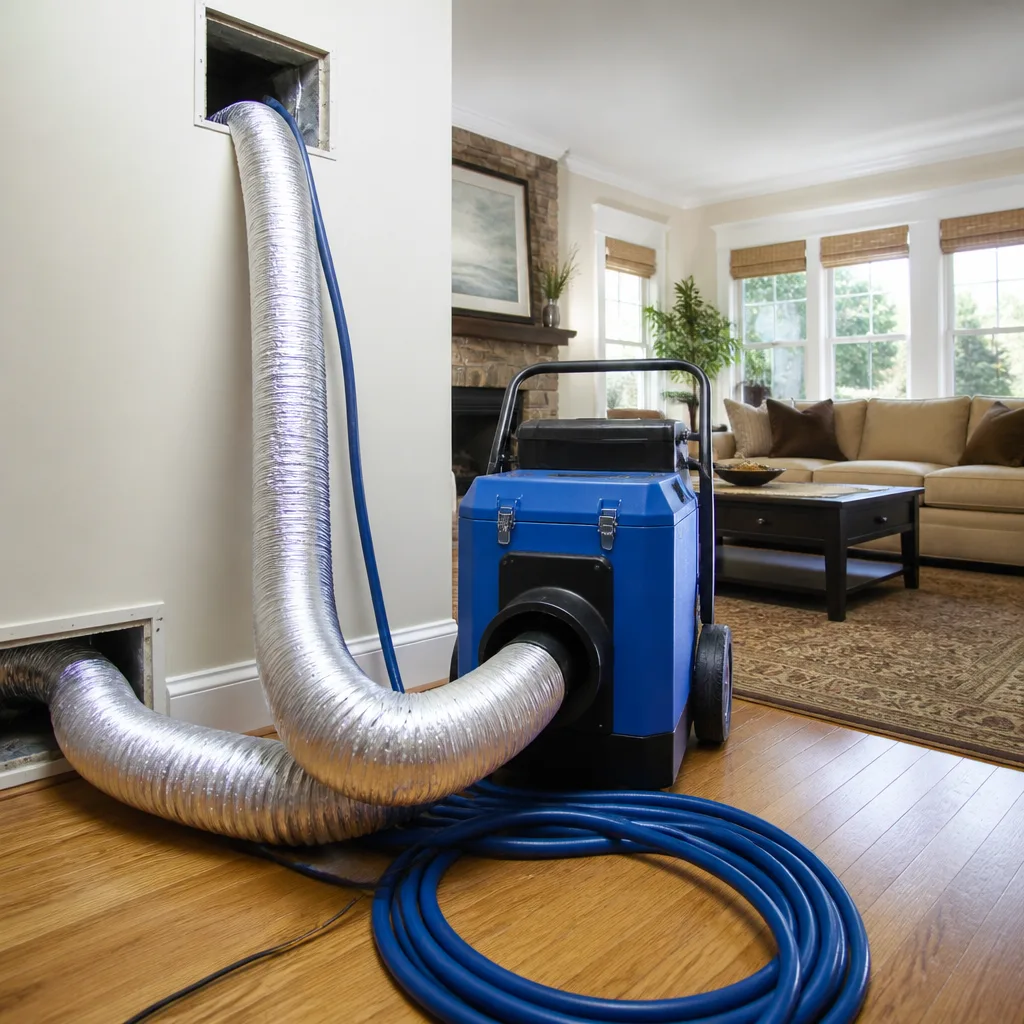 Whole-home duct cleaning
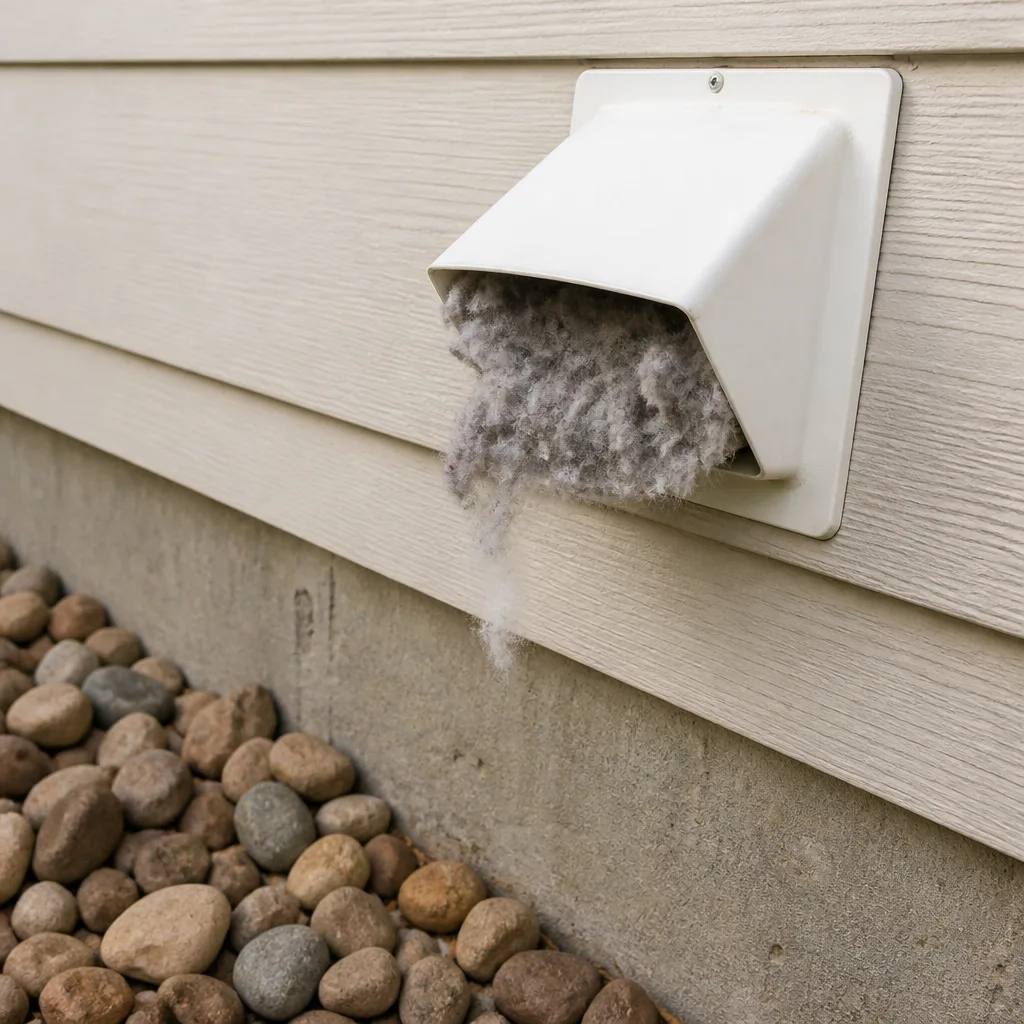 Dryer vent cleaning
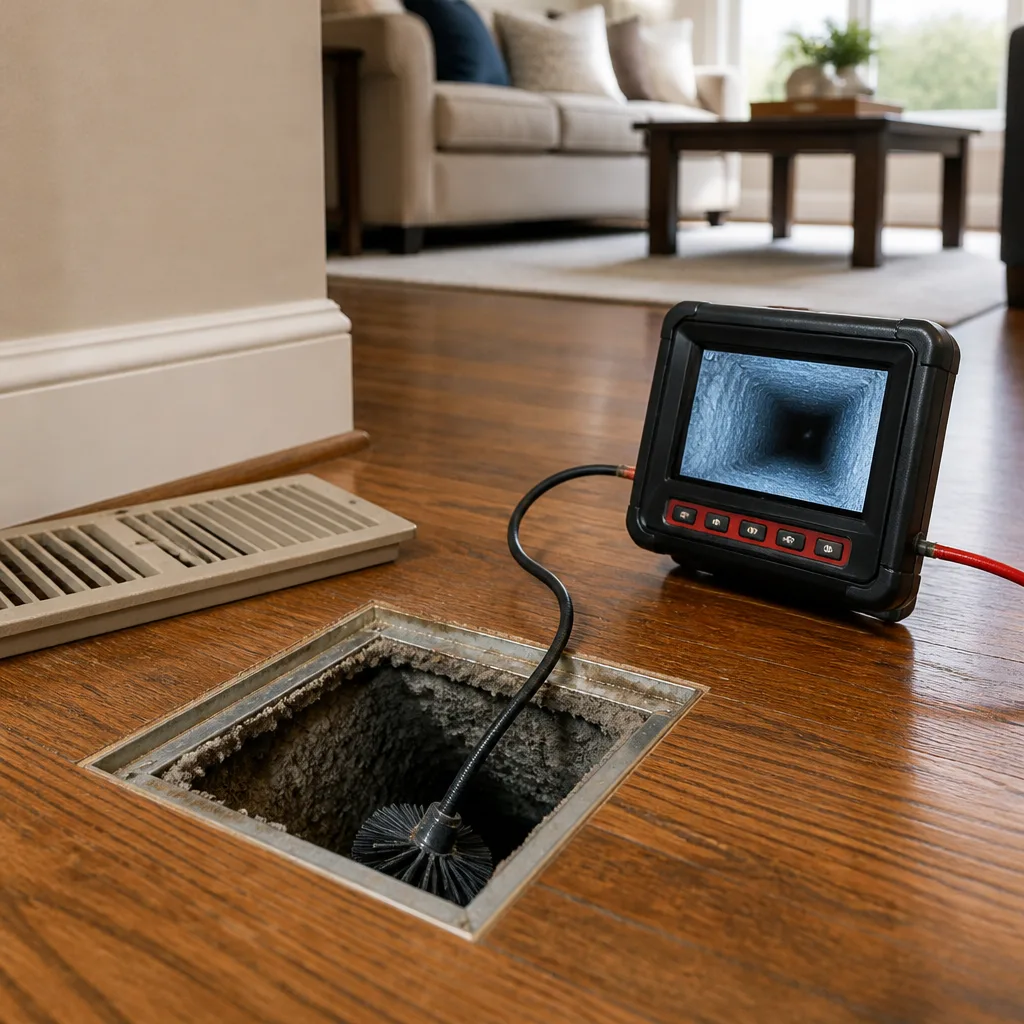 Camera inspection
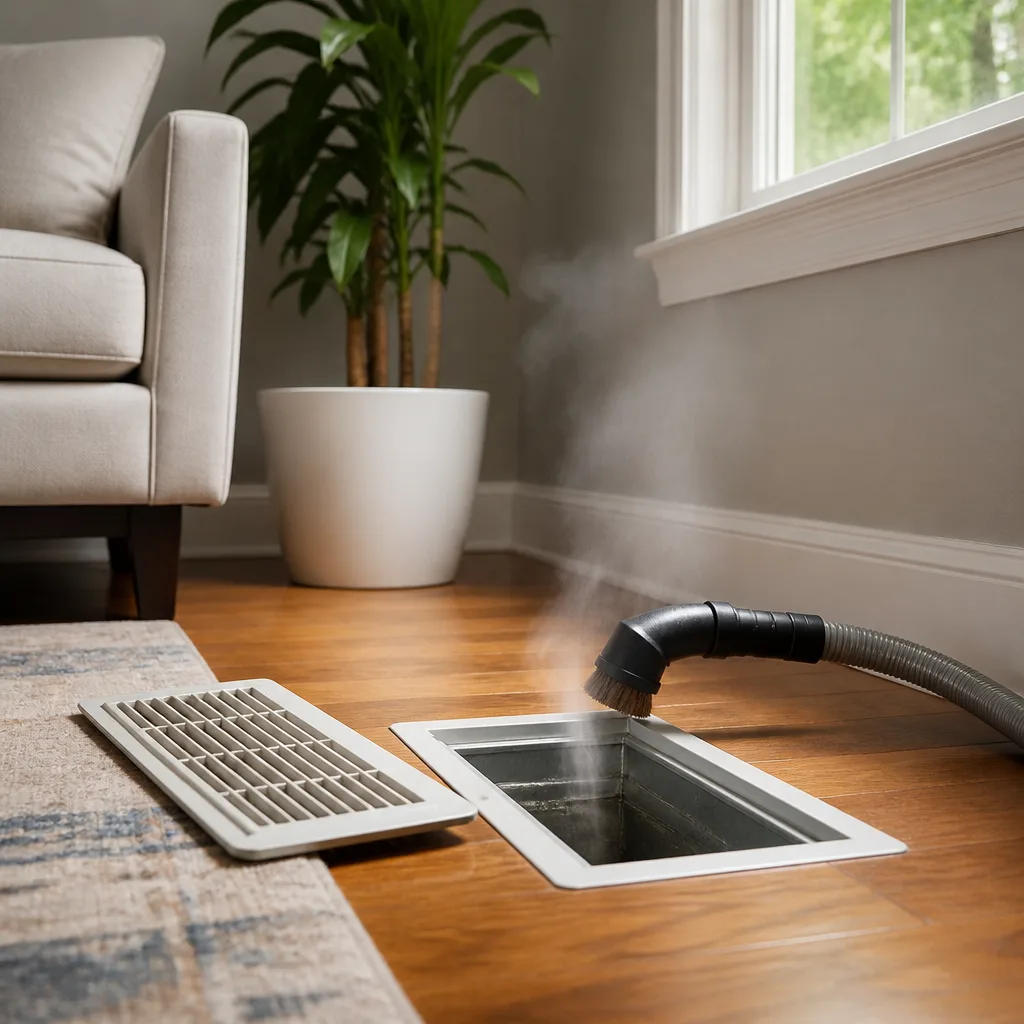 Sanitizing & deodorizing
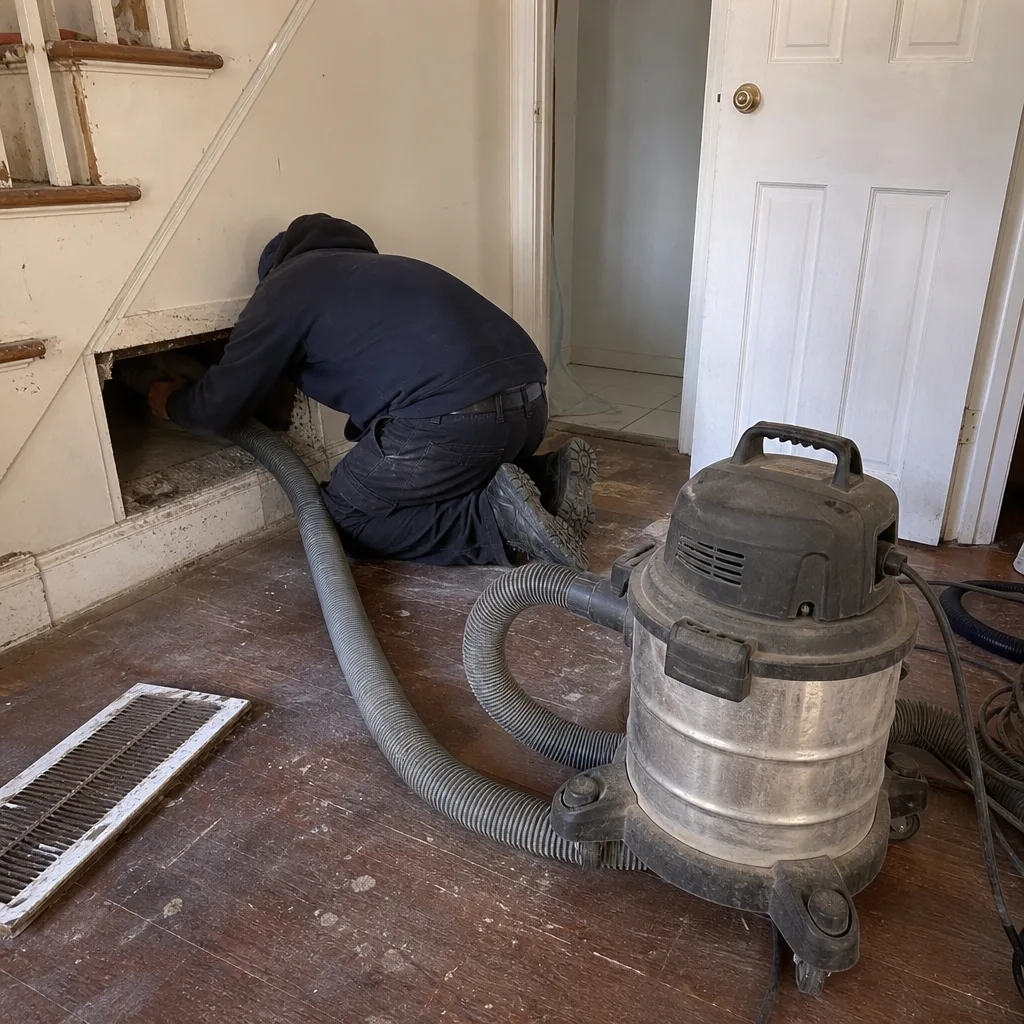
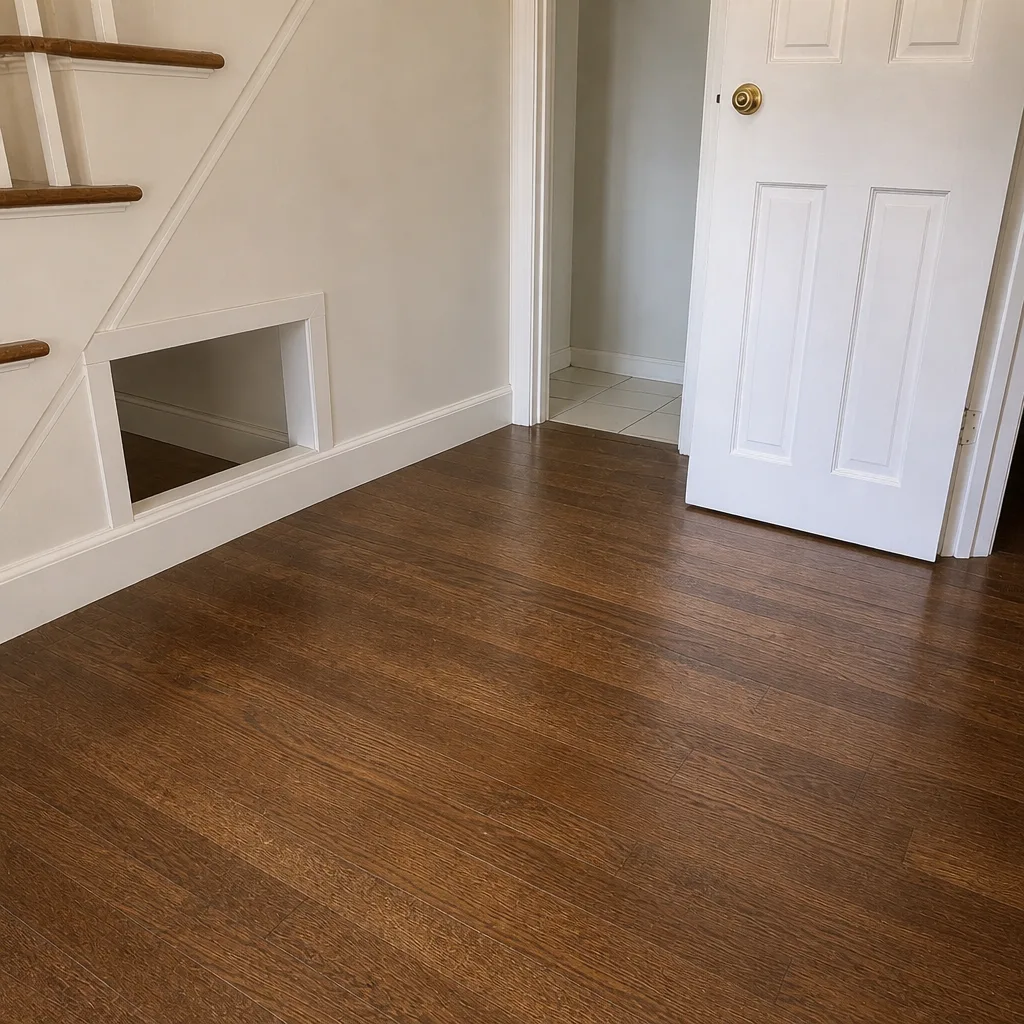
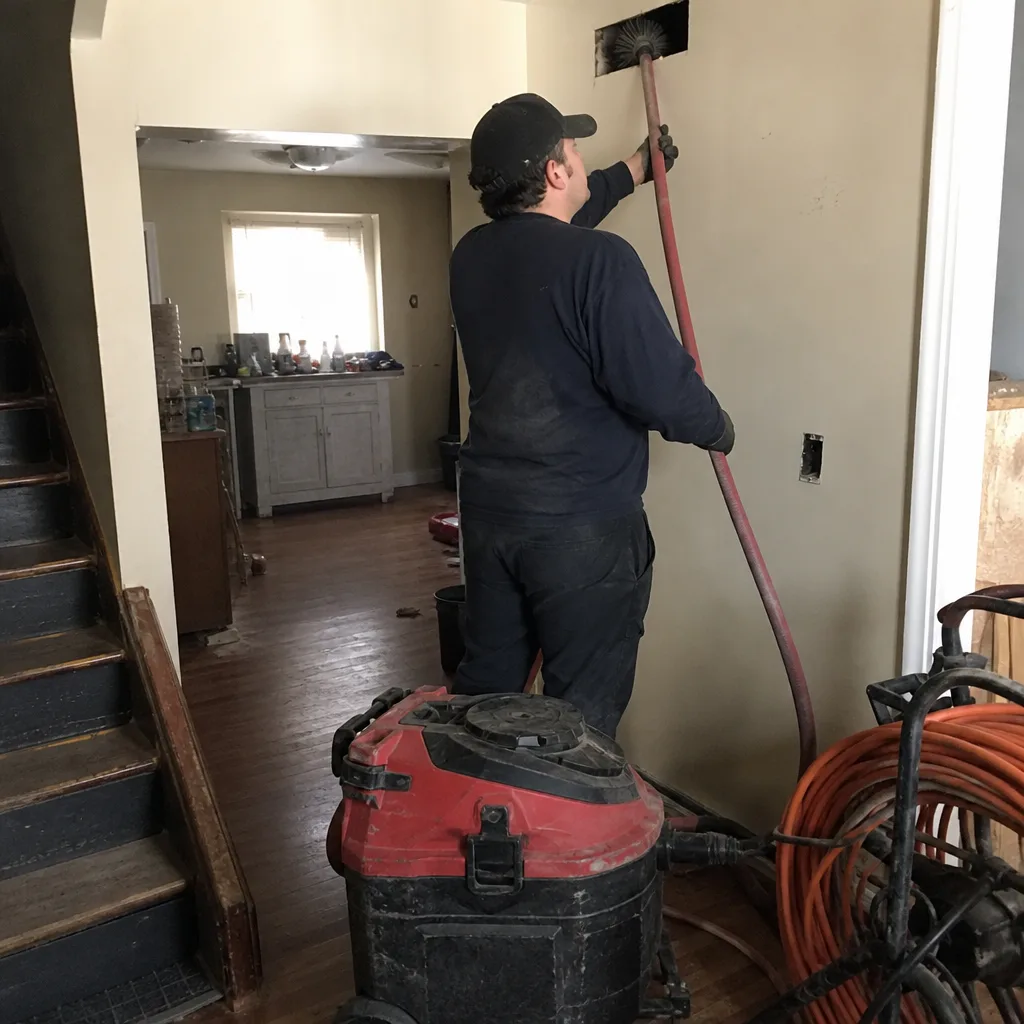
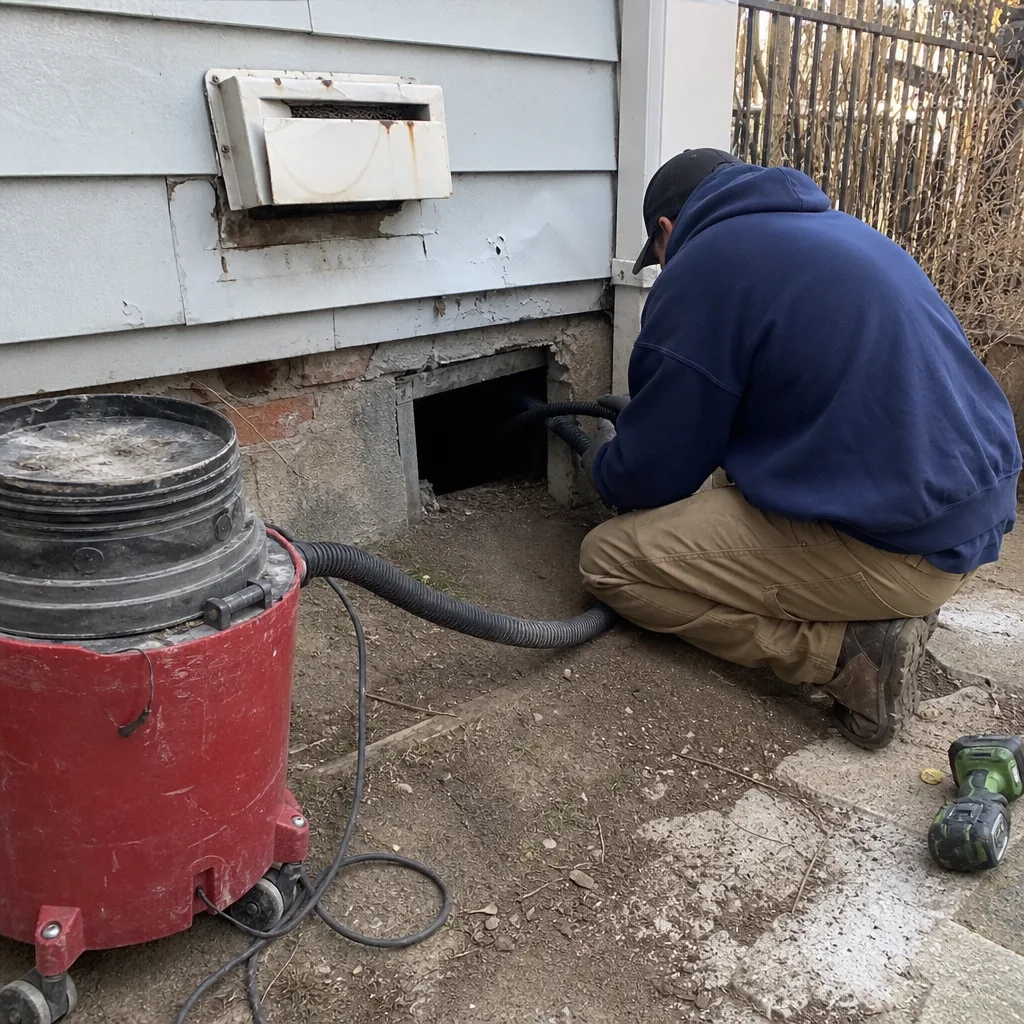
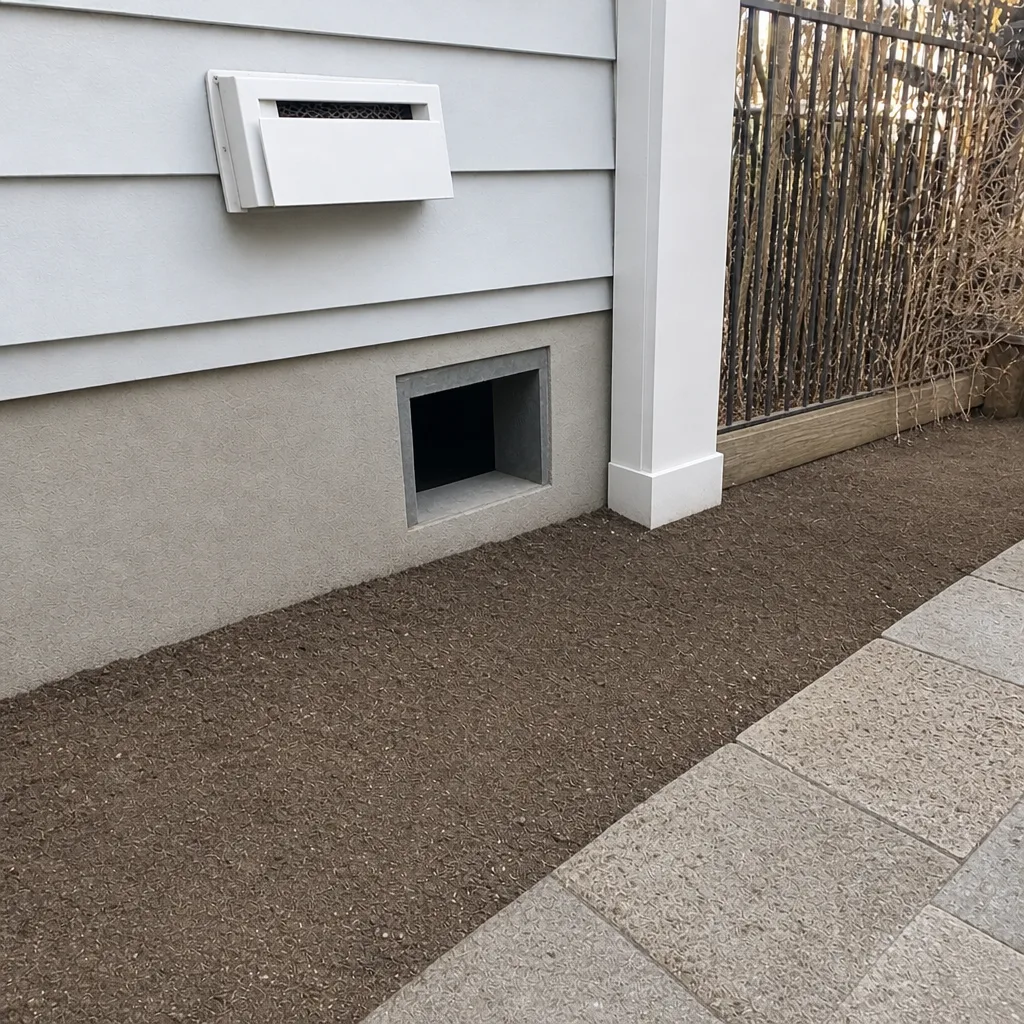
Whole-system duct and dryer vent check with before-and-after photos - you see exactly what came out of your vents
That "$99 whole-house special" is a bait ad - the real number appears once they are in your hallway, or the "clean" is a shop-vac at the register. We photograph the inside of your ducts before and after instead.
Air Duct Cleaning Warning Signs: A Sheepshead Bay Homeowner’s Reference Guide
Most guides about duct problems point at the obvious: dust on the registers, a stale smell, a filter that looks like a gray carpet. Those are real signals, but they’re the surface layer. A musty smell when the heat turns on isn’t just unpleasant. It’s a specific signal that microbial growth has established itself on duct surfaces during an idle period, and every time the system runs, it distributes that growth into each room of your home. In this guide we explain the mechanical and environmental causes behind each warning sign, so you understand what’s actually happening inside your system rather than just that something is wrong. We’ll cover dust patterns, temperature swings, odor diagnostics, allergy timing, and the moisture issues that show up in Sheepshead Bay homes.
Styles & brands we work with
- Whole-home duct cleaning
- Dryer vent cleaning
- Camera inspection
- Sanitizing & deodorizing
Quick Answer
The most reliable air duct cleaning warning signs for homeowners are: musty or chemical odors that appear only when the HVAC runs, dust that returns to registers within days of cleaning, rooms that never reach the set temperature, allergy symptoms that spike specifically during heating or cooling cycles, and visible debris or liner damage at the vents. One sign alone is worth watching; two or more together usually point to an active contamination or airflow problem inside the duct system. In Sheepshead Bay, moisture-related liner damage is the sign most often missed, because it rarely looks like a cleaning issue until someone inspects the duct interior.
Table of Contents
- Why Dust That Comes Back Within Days Is Different From Normal Dust
- What Uneven Room Temperatures Reveal About Your Ducts
- Odor Diagnostics: Musty, Burning, and Chemical Smells Explained
- Allergy Symptoms That Track Your HVAC Cycle
- Sheepshead Bay Moisture and Compromised Duct Liner
- What to Check at Registers and Returns
- System-Level Causes: Filtration Bypass and Leaky Seams
- When It’s a Cleaning Job and When It’s a Repair Job
Why Dust That Comes Back Within Days Is Different From Normal Dust
Every home collects dust on its supply registers. That’s normal, and a wipe-down handles it for weeks at a time. The diagnostic question isn’t whether dust appears; it’s how fast it returns after you clean it.
Dust that settles again within a few days is a different kind of problem. It usually means the filtration system isn’t capturing particles before they enter the ductwork, so debris is being pushed through the supply side continuously. The registers are just the visible endpoint of an ongoing bypass.
Filtration bypass happens for several mechanical reasons:
- An undersized or incorrectly sized filter. A filter that doesn’t seat flush against its frame lets unfiltered air around the edges. The center looks clean, the bypass slot does the damage.
- A missing filter rack gasket. Air takes the path of least resistance, and a gap at the filter housing is the easiest path into the blower.
- Return duct leaks downstream of the filter. If the return run is pulling air from a crawl space, wall cavity, or basement, that air never passes through the filter at all.
- A filter with too low a rating for the household. Light dust with no pets and no construction is one thing; a household with shedding animals, smokers, or recent renovation needs more capture than a basic spun-fiber filter provides.
Cleaning the ducts without addressing the bypass is a cycle that repeats. Debris is removed, then re-enters through the same gap the next week. In our experience, the most useful thing a technician can do during a Sheepshead Bay air duct cleaning visit is inspect the filter housing and return path before the vacuum is even connected, because that’s where recurring dust actually starts. If you’ve cleaned your registers twice in a month and they’re coated again, treat that as a system diagnosis, not a housekeeping task.
What Uneven Room Temperatures Reveal About Your Ducts
A room that stays a few degrees off from the rest of the house is sending a message about airflow. The question is whether the restriction is in the duct, at the damper, or at the equipment. Those three causes produce different patterns, and knowing which pattern you have tells you whether you need cleaning, repair, or an HVAC technician.
Start by timing the behavior. Run the system, then walk the rooms with a thermometer (or a phone with a sensor) at intervals. Consistent differences point in specific directions:
- A single room runs warm in cooling and cold in heating. That’s usually a supply restriction. The room isn’t getting its share of conditioned air, so it drifts toward whatever the outdoor temperature is doing. Blocked duct, crushed flex run, or a closed damper are the usual suspects.
- Rooms further from the air handler swing more. Distance-based imbalance often means leaks along the duct run. Every seam and joint that leaks cools ambient air instead of the living space, and the far rooms pay for it.
- Every room runs warm or cold together, but the system short-cycles. That’s an equipment issue, not a duct issue. Cleaning won’t fix it. You need an HVAC technician to look at charge, blower speed, or the compressor.
- One room is fine cold but stuffy warm. Airflow volume is low even if temperature reaches. That points to restricted return air or a supply diffuser that’s too small for the room.
Sheepshead Bay homes run the gamut from mid-century construction with original galvanized ductwork to newer builds with flex runs tucked above ceilings. In older buildings, the ducts often have accumulated decades of debris at the corners and elbows, and that accumulation acts like a pressure restriction. In newer flex runs, an installer’s sharp bend or a crushed section is more likely the culprit. Either way, uneven temperatures are a call to look inside the duct, not just at the thermostat.
Odor Diagnostics: Musty, Burning, and Chemical Smells Explained
Odor is the single most useful diagnostic signal a homeowner has, because it tells you what’s growing or degrading inside the system. Each smell type points to a different cause, and treating them as interchangeable leads to the wrong fix.
Musty or earthy odors
Musty smells mean microbial growth. The typical pattern: the smell is strongest when the system first kicks on after being off for hours, then fades slightly as the system runs. That’s because growth has colonized the duct surfaces during the idle period, and the initial pulse of air picks up the spores. Cleaning alone won’t fully resolve this, since sanitizing treatment is needed to address the surface where growth has attached. Guardsman-grade treatments exist specifically for this step.
Burning or hot-dust odors
Short-lived hot-dust smell when the heat first comes on for the season is normal. It’s the debris on the heat exchanger burning off. A burning smell that persists, returns mid-season, or comes with a visible haze needs a professional to inspect the heat exchanger immediately, because that smell can indicate component degradation and is a safety concern. Do not run the system while you wait.
Chemical, plastic, or sharp solvent odors
Chemical smells usually point to insulation off-gassing, failing duct tape adhesive, or the breakdown of vapor barrier materials in a flex run. A sharp plastic smell from the supply registers often means a recent build’s duct materials are still curing, which resolves on its own. A chemical smell that develops after the system has been in use for years usually indicates material failure, and it’s worth inspecting the duct interior.
Rate each type by whether it appears only at startup, stays constant, or gets stronger as the system runs. That timing pattern is what a technician uses to decide whether to clean, sanitize, repair, or replace. When you call, describe which type of odor and which timing pattern you notice.
Allergy Symptoms That Track Your HVAC Cycle
General indoor allergy complaints are hard to diagnose, because a hundred things can trigger them. A symptom spike that correlates specifically with HVAC operation is far more useful evidence, because it isolates the air handler system as the source.
Here’s how to test the correlation:
- Log a week of symptoms. Time of day, severity, room. Note whether any specific family member is worse in one room or worse during a specific part of the day.
- Log when the system is running. Heating or cooling cycles, then overnight idle periods. If a person wakes up congested after the system runs heavy overnight and feels better in the afternoon when the idle window was longer, that’s a meaningful pattern.
- Compare against a vacation or system-off period. If symptoms drop significantly when the HVAC has been off for a day or two, and return within hours of restarting, the system is a strong suspect.
- Check the whole-house picture. Run a vacuum with a HEPA filter, change bedding, and then note whether symptoms still track the air handler. If they do, cleaning the ducts is more likely to help than cleaning the furniture.
In Sheepshead Bay, this timing test can be complicated by shared walls and multi-unit buildings. A neighbor’s du
See the difference
 Before
 After
 Before
 After
 Before
 After